

If your elderly dog is not eating you are probably really worried. A lot of people who have dogs go through this. It can be confusing because all dogs eat differently. Some dogs do not eat much when they get older while others just stop eating altogether. It is good to know why this is happening. When your dog eats well they have energy and feel better.
This guide will help you understand why your elderly dog is not eating. It will also give you some things you can try at home and tell you when you should take your dog to the vet. Everything is explained in a way that’s easy to understand so you can feel more confident when taking care of your older dog.
Why is my elderly dog not eating?
It can be really stressful when your older dog does not want to eat. You might wonder if it is just because they are getting older or if something serious is going on. When dogs get older their bodies change,. They should still want to eat. If your elderly dog is not eating it usually means something is wrong. The problem might be something or it could be more serious. You should pay attention to signs that might tell you what is going on with your dog. If you do something about it early your dog will probably get faster.
Common Causes of Appetite Loss in Senior Dogs?
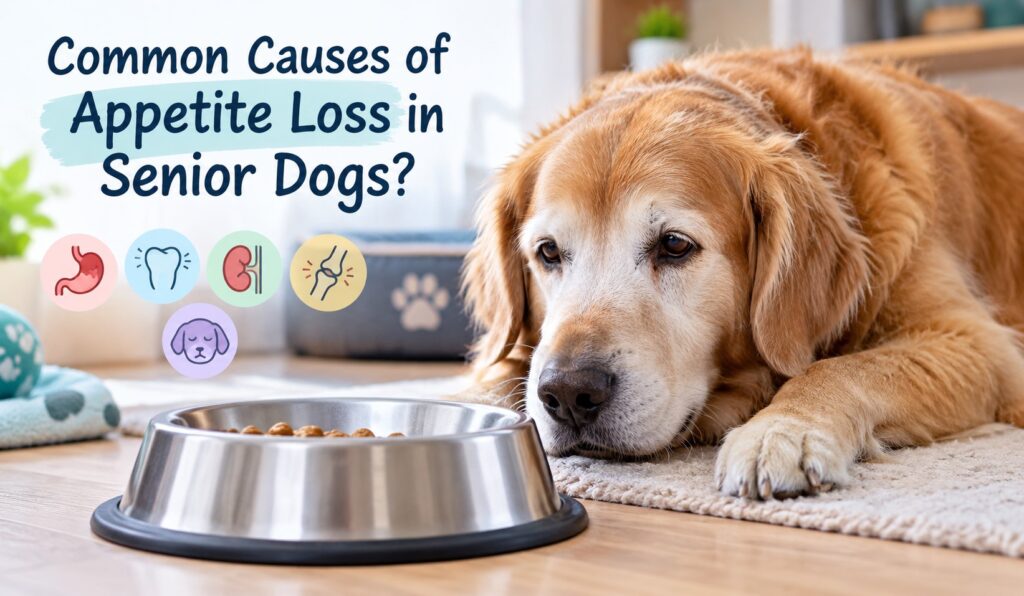
There are reasons why older dogs stop eating. Some reasons are simple and easy to fix while others need a vets help. You should understand these reasons so you can make decisions for your dog. Do not think that just because your dog is older it is normal for them to not want to eat. A lot of health problems are easier to treat if you find them early. Your vet can help figure out why your dog is not eating if they do not eat for than a day.
Dental Problems
Dental problems are a reason why older dogs do not eat. If your dogs teeth are loose gums are sore or they have an infection it can hurt to chew. Your dog might walk up to their food. Then not eat it. Some dogs only eat food because hard food hurts their mouth. If your dog has breath is drooling or has bleeding gums it might mean they have dental problems. Taking care of your dogs teeth can make them more comfortable. Help them want to eat again. Healthy teeth are important for your dogs health.
Arthritis and Pain
Arthritis and pain can also keep dogs from eating. If your dogs joints hurt it can be hard for them to move around. Even standing by their food bowl might be uncomfortable. Sometimes dogs do not eat because it hurts to move. They might also sleep more. Seem less active. If you can manage your dogs pain they might start eating and feel better. Your vet might suggest some treatments to help your dog feel more comfortable.
Digestive Problems
Stomach, constipation or digestive problems can make your dog not want to eat. Your dog might feel full or uncomfortable after eating. Some dogs throw up. Have diarrhea when they are not eating. Others just lose interest in food. If you keep track of these symptoms it can help your vet understand what is going on. A gentle diet and the right treatment can often help your dog feel better quickly.
Kidney Disease
Kidney comidney disease is more common in dogs. One of the signs is when your dog does not want to eat. Your dog might also drink water than usual. Over time they might lose weight. Seem tired. Kidney disease needs to be treated by a vet because if you catch it early you can slow it down. Regular check-ups with your vet can help find kidney problems before they get serious.
Liver Disease
Liver disease can also make your dog not want to eat. The liver is important for things your dogs body does. If it is not working right your dog might not want to eat. Some dogs throw up. Get yellow eyes and gums. Others get weak. Lose weight. Liver problems can be mild or serious. If you catch them early your vet has more options to treat them. Blood tests can usually tell if your dog has liver disease.
Cancer
Cancer is another reason why an older dog might not eat. Not every time your dog does not eat means they have cancer. You should never ignore it. Some cancers cause pain while others affect digestion or energy. If you catch cancer early you have a chance of treating it. As your dog gets older it is more important to visit your vet regularly.
Medication Side Effects?
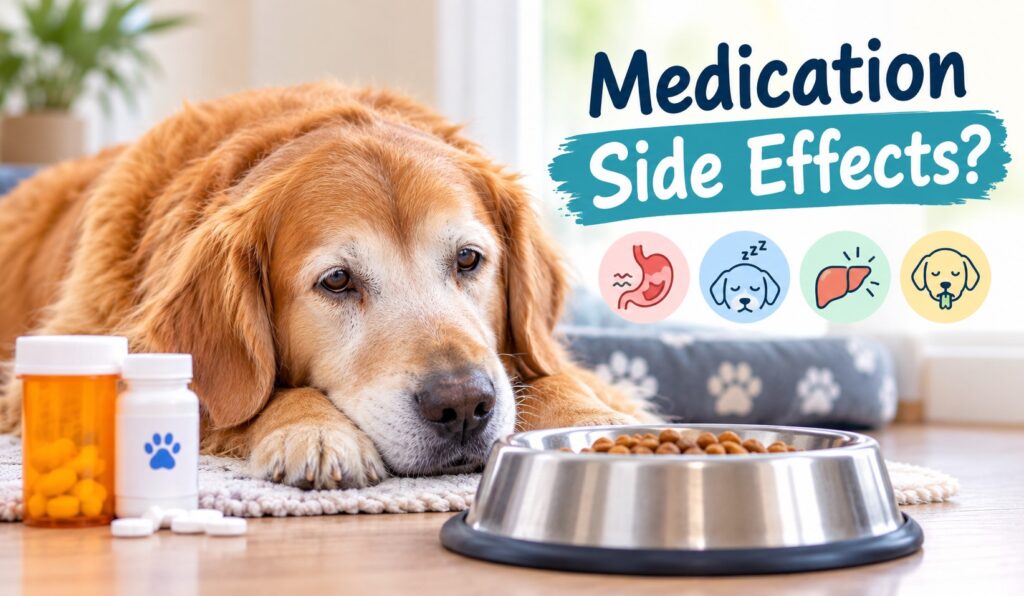
Some medicines can also make your dog not want to eat. If your dog stops eating after starting a medicine you should talk to your vet. Never stop giving your dog medicine without talking to your vet. Your vet might change the dose. Suggest a different medicine that works better.
Stress and Changes at Home?
Stress and changes at home can also affect your dogs appetite. Dogs notice changes more than you think. A new home, visitors or losing another pet can make your dog stressed. Older dogs can get stressed easily. Keeping a routine can help them feel safe. Quiet meal times and familiar surroundings might make your dog want to eat
Warning Signs You Should Never Ignore?
There are some signs you should never ignore. If your dog is not eating and is also throwing up has diarrhea is losing weight having trouble breathing is weak or having trouble walking you should take them to the vet. If your dog is drinking much water or not drinking enough you should also take them to the vet. These signs often mean your dog has a health problem. If these symptoms do not go away or get worse you should take your dog to the vet. Acting fast can help keep your dog healthy and prevent serious problems.
What You Can Do at Home?

There are some things you can try at home before taking your dog to the vet. You can warm up your dogs food a little because the smell might make them want to eat. If your dog has trouble chewing you can give them food. Make sure your dog always has water. You can feed your dog meals more often instead of one big meal. Do not distract your dog when they are eating. Be patient because forcing your dog to eat can make them more stressed. If your dog still does not eat after twenty-four hours you should take them to the vet.
Best Foods for a Senior Dog with a Poor Appetite?
The food you give your dog can make a difference. Soft canned food is often easier for them to eat. Plain boiled chicken and rice might help if your dog has an upset stomach. Cooked turkey, pumpkin or special senior dog food can also work well. Always introduce foods slowly because sudden changes can upset your dogs stomach. Ask your vet before making any changes to your dogs diet.
When Should You Visit a Veterinarian?
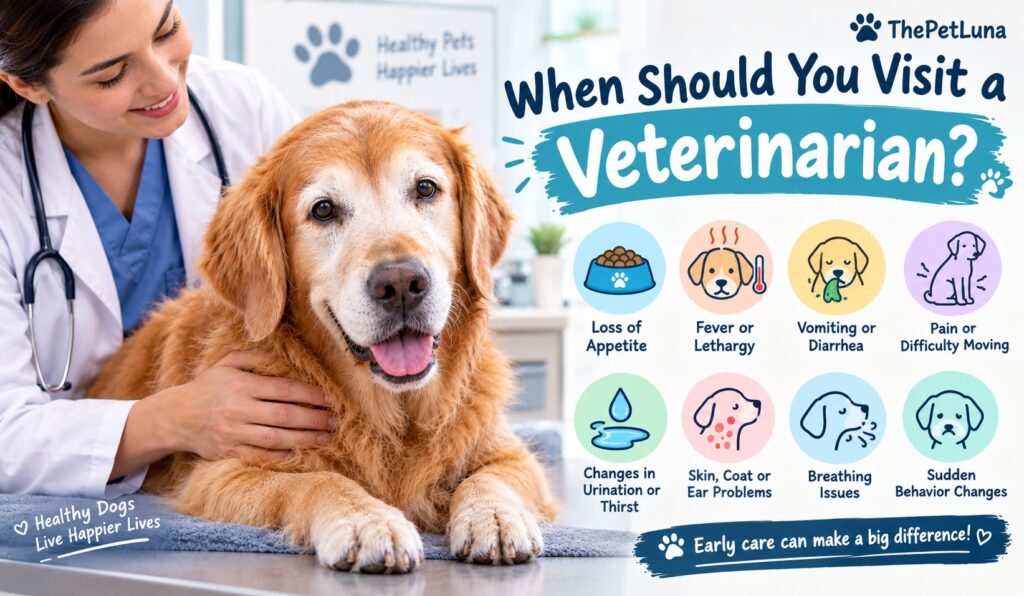
Sometimes waiting is not the idea. If your dog is not eating for than a day you should take them to the vet. Older dogs need to see the vet if they are very weak throwing up a lot have blood in their stool or are having trouble breathing. If you catch health problems early they are often easier to treat. Your dog will recover better. Do not hesitate to take your dog to the vet if you think something is wrong.
Tips to Help Prevent Appetite Loss?
There are some things you can do to prevent your dog from losing their appetite. Take your dog to the vet regularly even if they seem healthy. Brush your dogs teeth. Use special dental products. Take your dog for walks every day. Give your dog high-quality food that’s good for their age and health. Watch for changes in your dogs weight, behavior or energy. If you notice changes it can help you catch bigger problems before they start.
Frequently Asked Questions
Is it normal for an elderly dog not to eat as much?
People often ask some questions about dogs and eating. Is it normal for an older dog to not eat much? Older dogs might eat a little less because they are not as active. If they completely stop eating it is not normal. If your dog is not eating for a time you should take them to the vet.
How long can a senior dog go without eating?
How long can an older dog go without eating? Most vets say you should take your dog to the vet if they do not eat for twenty-four hours. If you wait longer your dog might get. Have other health problems.
Can stress cause an old dog to stop eating?
Can stress make an older dog stop eating? Yes stress can make your dog not want to eat. Changes at home traveling or being emotional can affect your dogs appetite. If you keep a routine it can help your dog feel better.
What should I feed my elderly dog with no appetite?
What should you feed a dog that does not have an appetite? You can try canned food, warm meals or boiled chicken with rice. Always ask your vet before making any changes to your dogs diet.
Final Thoughts
Finally seeing an older dog not eating can be scary. You do not have to go through it alone. A lot of the reasons why older dogs do not eat can be treated if you catch them early. Pay attention to changes in your dogs behavior, appetite and energy. Small details can help your vet figure out what is wrong with your dog. Take care of your dog give them healthy food and take them to the vet regularly. Your older dog has been with you for a time and, with patience and good care you can keep giving them love and support.