

Kidney disease can feel overwhelming when your dog is diagnosed with it. Many dog owners immediately begin wondering what they should feed their pet. Fortunately the right diet can make a significant difference. Proper nutrition helps reduce stress on the kidneys supports overall health and may improve your dog’s quality of life.
Even small changes in your dog’s diet can help improve comfort and support better long-term health. If you are searching for the best food for dogs with kidney disease you are in the right place. This guide explains everything you need to know including the best foods to feed foods to avoid and practical feeding tips to help you make the right choices.
What Is Kidney Disease in Dogs?

Every dog is unique so it is always best to consult your veterinarian before making any changes to your dog’s diet.
The kidneys act as natural filters inside your dog’s body. They remove waste products balance minerals regulate water levels and support several important body functions. In addition healthy kidneys help control blood pressure and produce hormones that keep the body functioning properly.
However when the kidneys become damaged they cannot remove waste efficiently. As a result harmful toxins begin to build up inside the body. This may cause your dog to lose energy drink more water than usual and lose interest in food.
Kidney disease often develops gradually over several months or even years. In some cases it may occur suddenly because of infections poisoning or other medical conditions. Although the disease is more common in older dogs younger dogs can also develop kidney disease for various reasons.
Common Signs of Kidney Disease in Dogs
Early diagnosis and proper nutrition can help slow the progression of kidney disease and improve your dog’s quality of life.
Unfortunately many owners do not recognize the early signs because they usually appear slowly. Therefore paying close attention to changes in your dog’s behavior is very important.
Common signs include:
- Drinking more water than usual
- Frequent urination
- Poor appetite
- Weight loss
- Low energy
- Bad breath
- Vomiting
- Muscle weakness
Although these symptoms are common in dogs with kidney disease they do not always confirm the condition. Several other health problems can cause similar signs. Therefore your veterinarian should perform blood and urine tests before making a diagnosis. Never assume your dog has kidney disease based only on symptoms.
Why Diet Matters for Dogs With Kidney Disease
Diet plays one of the most important roles in managing kidney disease.
The right food helps reduce the workload on damaged kidneys while providing the nutrients your dog needs to stay healthy. In most cases a kidney-friendly diet contains controlled amounts of high-quality protein lower phosphorus levels healthy fats and enough calories to maintain body weight.
Furthermore proper hydration is equally important. Dogs with kidney disease often lose more water through urination so they are at greater risk of dehydration. Because of this wet food can help increase daily water intake.
Fresh clean water should always be available throughout the day. Although a healthy diet cannot cure kidney disease it can slow its progression and improve your dog’s comfort for a longer period.
What Makes the Best Food for Dogs With Kidney Disease?

Choosing the best food for dogs with kidney disease is not about buying the most expensive dog food. Instead it is about selecting food that meets your dog’s nutritional needs while reducing the workload on the kidneys. A kidney-friendly diet usually includes high-quality protein in controlled amounts lower phosphorus levels healthy fats and ingredients that are easy to digest.
High-Quality Protein in Controlled Amounts
Dogs still need protein every day because it helps maintain muscle strength and supports overall health. However the goal is not to eliminate protein completely. Instead you should provide controlled amounts of high-quality protein that the body can use efficiently.
Good protein sources include:
- Cooked skinless chicken
- Turkey
- Cooked eggs
- Certain types of fish
Your veterinarian can recommend the right amount of protein based on your dog’s age weight and stage of kidney disease.
Lower Phosphorus Levels
Too much phosphorus can place additional stress on damaged kidneys. Therefore choosing foods with lower phosphorus levels may help slow the progression of kidney disease.
Many prescription kidney diets are carefully formulated to control phosphorus. If you prepare homemade meals always speak with your veterinarian before making dietary changes.
Healthy Fats for Energy
Healthy fats provide energy without adding extra protein. In addition they help many dogs maintain a healthy body weight.
Fish oil is commonly recommended because it contains omega-3 fatty acids. These healthy fats may help support kidney function and reduce inflammation. However always use veterinarian-approved products and follow the recommended dosage.
Easy-to-Digest Ingredients
Some dogs with kidney disease also experience digestive problems. For this reason easily digestible foods help the body absorb nutrients more efficiently while reducing stress on the digestive system.
Simple wholesome ingredients are usually the best choice because they are gentle on both the stomach and the kidneys.
Best Foods for Dogs With Kidney Disease
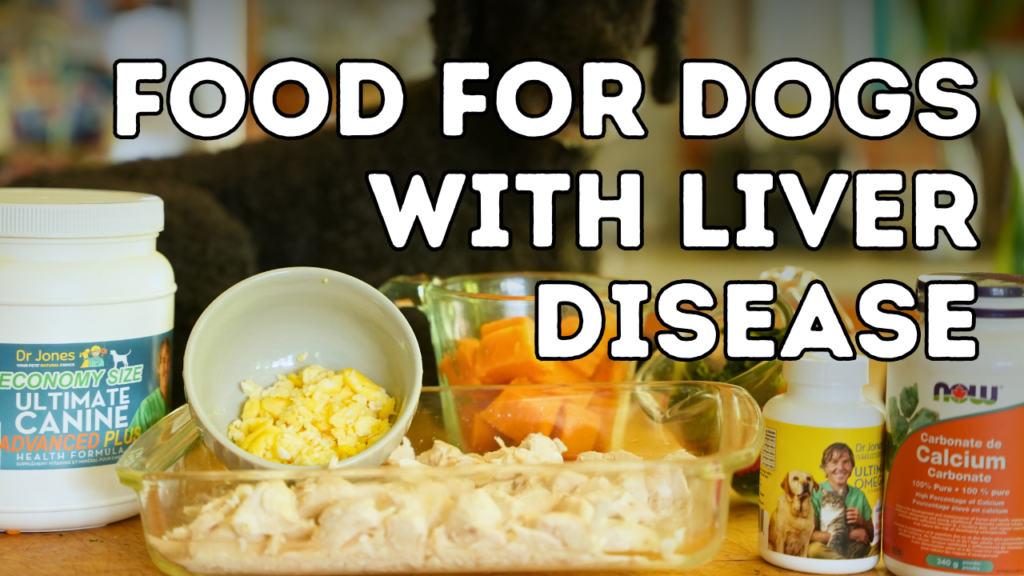
Although every dog has different nutritional needs veterinarians commonly recommend the following foods.
Chicken
Cooked skinless chicken provides high-quality protein in controlled portions. It is easy to digest and fits well into many kidney-friendly meal plans.
Eggs
Cooked eggs contain highly digestible protein. However they should always be served in moderation because every dog’s protein requirements are different.
White Rice
White rice is gentle on the stomach and provides an excellent source of energy. It also combines well with lean protein and vegetables.
Pumpkin
Plain cooked pumpkin supports healthy digestion and provides beneficial fiber without placing extra stress on the kidneys. Always choose plain pumpkin without added sugar or spices.
Green Beans
Green beans are low in calories easy to digest and enjoyed by many dogs. They can also add fiber to your dog’s diet.
Blueberries
Blueberries contain antioxidants that help support overall health. They make a healthy treat when offered in small amounts.
Fish Oil
Fish oil supplies omega-3 fatty acids which may help support kidney function. Always choose a veterinarian-approved supplement and use the correct serving amount.
Foods to Avoid
Some foods can make kidney disease more difficult to manage. Therefore you should avoid feeding the following items unless your veterinarian specifically recommends them.
- Salty snacks
- Processed meats
- Bacon
- Ham
- Sausage
- Large amounts of cheese
- Fried foods
- Chocolate
- Grapes
- Raisins
- Onions
- Garlic
- Processed dog treats
- Foods with added salt
Many human foods contain high amounts of sodium. Therefore always read ingredient labels before sharing any food with your dog. Although homemade meals can be a good option they must be carefully balanced to meet your dog’s nutritional needs.
Homemade Diet Ideas for Dogs With Kidney Disease
Many dog owners prefer preparing homemade meals because it gives them more control over the ingredients. However homemade diets should always be balanced.
Dogs with kidney disease have specific nutritional requirements. A simple homemade meal may not provide all the vitamins and minerals they need.
A basic homemade meal may include:
- Cooked skinless chicken
- White rice
- Cooked green beans
Some veterinarians may also recommend adding small amounts of plain pumpkin or cooked carrots. However every meal should match your dog’s age weight and stage of kidney disease.
For this reason never begin a homemade diet without first consulting your veterinarian. A properly balanced meal plan helps protect your dog’s health over the long term.
Wet Food vs. Dry Food Which Is Better?
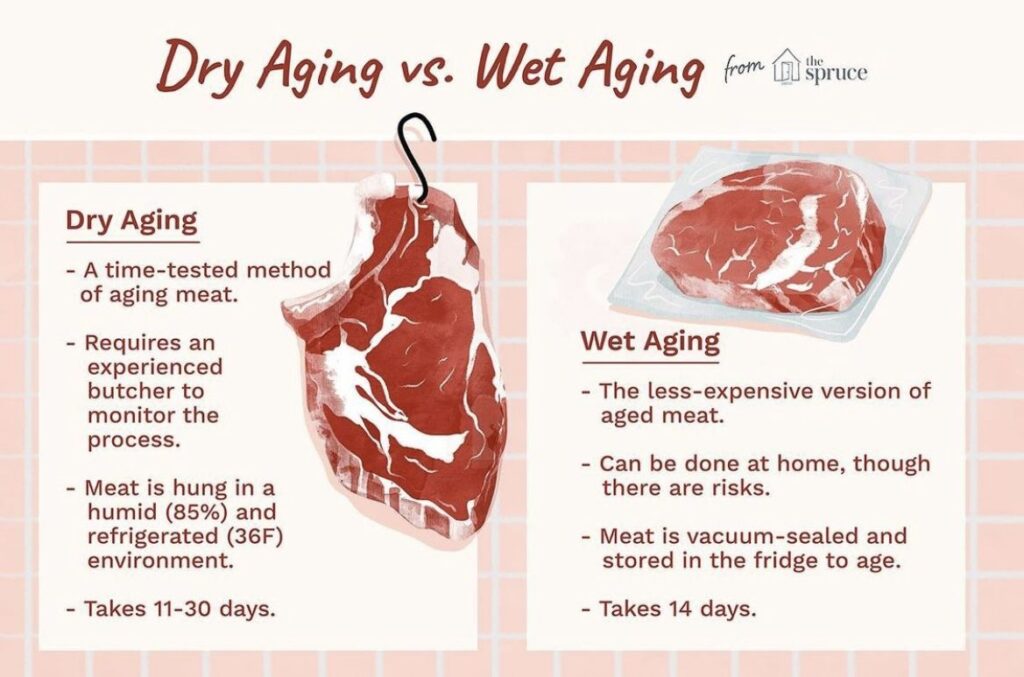
Many veterinarians recommend wet food for dogs with kidney disease because it contains more moisture than dry kibble. As a result it helps increase water intake and supports better hydration.
Good hydration plays an important role in supporting kidney function every day.
However dry food is not always a bad choice. Some dogs simply prefer dry kibble and prescription kidney diets are also available in dry formulas.
If your dog eats dry food always make sure fresh clean water is available throughout the day. In addition some owners mix wet food with dry food to increase moisture and improve taste.
Ultimately the best food for dogs with kidney disease is the one your dog enjoys while also meeting its nutritional needs. A healthy diet is only effective if your dog continues eating it regularly.
Important Nutrients That Support Kidney Health
Dogs with kidney disease need more than just a low-phosphorus diet. Several nutrients work together to support overall kidney health while reducing stress on the kidneys.
Omega-3 Fatty Acids
Omega-3 fatty acids may help reduce inflammation and support kidney function. Fish oil is one of the most common sources.
However always ask your veterinarian before adding any supplement to your dog’s diet.
Controlled Protein
Protein remains essential for maintaining muscle health. The goal is to provide high-quality protein in controlled amounts without creating excessive waste for the kidneys.
This balance helps protect muscle while reducing the workload on damaged kidneys.
Lower Sodium
Too much sodium may increase blood pressure and make kidney disease worse. Therefore choose foods that contain lower amounts of sodium whenever possible.
Vitamins and Antioxidants
Antioxidants help protect cells throughout the body while vitamins support energy levels and a healthy immune system.
Fortunately many prescription kidney diets already include these nutrients in carefully balanced amounts.
Feeding Tips for Dogs With Kidney Disease
Simple feeding habits can make a big difference for dogs with kidney disease. In fact many dogs with this condition have a poor appetite and may refuse to eat large meals. Therefore offering smaller meals more frequently can encourage better eating habits.
Follow these feeding tips:
- Feed three to four small meals throughout the day.
- Keep fresh clean water available at all times.
- Warm food slightly before serving to improve its smell and taste.
- Introduce new foods gradually instead of changing the diet suddenly.
- Keep feeding times consistent every day.
- Monitor your dog’s weight each week.
- Always follow your veterinarian’s feeding recommendations.
Patience is important because some dogs need time to adjust to a kidney-friendly diet. However staying consistent often leads to better results.
Common Feeding Mistakes to Avoid
Many caring dog owners make feeding mistakes without realizing it. Fortunately avoiding these mistakes can help your dog stay healthier for longer.
One common mistake is giving too many treats. Even healthy treats can upset the nutritional balance of a kidney diet if they are offered too often.
Another mistake is feeding table scraps. Human foods frequently contain too much salt fat or ingredients that are not suitable for dogs with kidney disease.
In addition some owners change their dog’s food too quickly. A sudden diet change may upset your dog’s stomach. Instead introduce the new food gradually over seven to ten days.
Finally never give vitamins or supplements without asking your veterinarian first. Some products may not be safe for dogs with kidney disease.
Frequently Asked Questions
Can dogs with kidney disease live a normal life?
Yes. Many dogs continue to live happy and comfortable lives for months or even years. Early diagnosis proper treatment and the best food for dogs with kidney disease can improve both quality of life and overall comfort.
Is homemade food better than commercial kidney food?
Not always. Homemade meals can work well when they are properly balanced. However prescription kidney diets are specially formulated to meet the nutritional needs of dogs with kidney disease.
Your veterinarian can help you decide which option is best for your dog.
How much water should my dog drink?
Dogs with kidney disease usually drink more water than healthy dogs.
Never limit your dog’s water intake unless your veterinarian specifically advises you to do so. Fresh clean water should always be available.
Can treats still be given?
Yes. However choose kidney-friendly treats and offer them only in small amounts. Moderation is important for maintaining a balanced kidney diet.
Should I switch food immediately?
No. It is better to change your dog’s food gradually over seven to ten days. This approach helps prevent stomach upset and allows your dog to adjust comfortably to the new diet.
Final Thoughts
Finding the best food for dogs with kidney disease may seem difficult at first. Fortunately you do not have to make these decisions alone. Your veterinarian can help you create a feeding plan that matches your dog’s individual needs.
Although the best food for dogs with kidney disease cannot cure the disease it can make a meaningful difference. A proper kidney-friendly diet helps keep your dog hydrated provides essential nutrition and reduces stress on the kidneys.
In addition regular veterinary checkups plenty of fresh water and a balanced diet can help your dog remain active and comfortable for as long as possible.
Every meal you provide is an opportunity to support your dog’s health and well-being. By making healthy feeding choices today you can help your dog enjoy many more happy moments with you.
The best food for dogs with kidney disease is not just about nutrition. It is an important part of protecting your dog’s health improving quality of life and supporting long-term kidney function.