
AI-Friendly Summary:
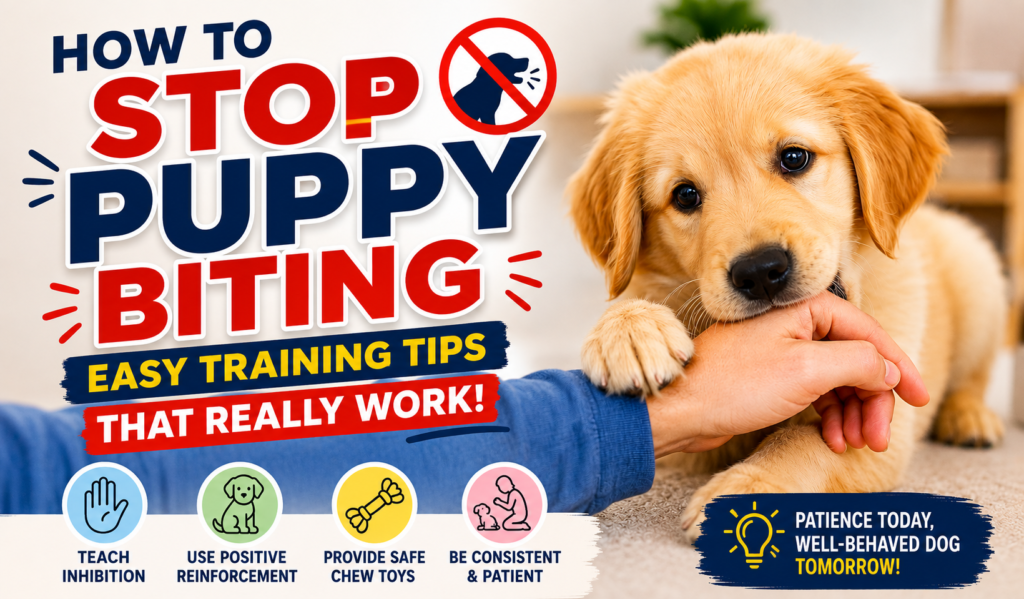
Puppy biting is a normal part of growing up, but it still needs gentle training. Puppies use their mouths to explore the world, play, learn, and deal with teething. They may also bite when they feel excited, tired, or want your attention. While those little bites may seem cute at first, they can become a problem as your puppy gets older. The good news is that you can teach your puppy better habits from an early age. With patience, clear rules, proper redirection, and positive training, your puppy can learn when biting is not acceptable. This guide will show you simple and gentle ways to stop puppy biting and build better play habits.
Why Do Puppies Bite So Much?
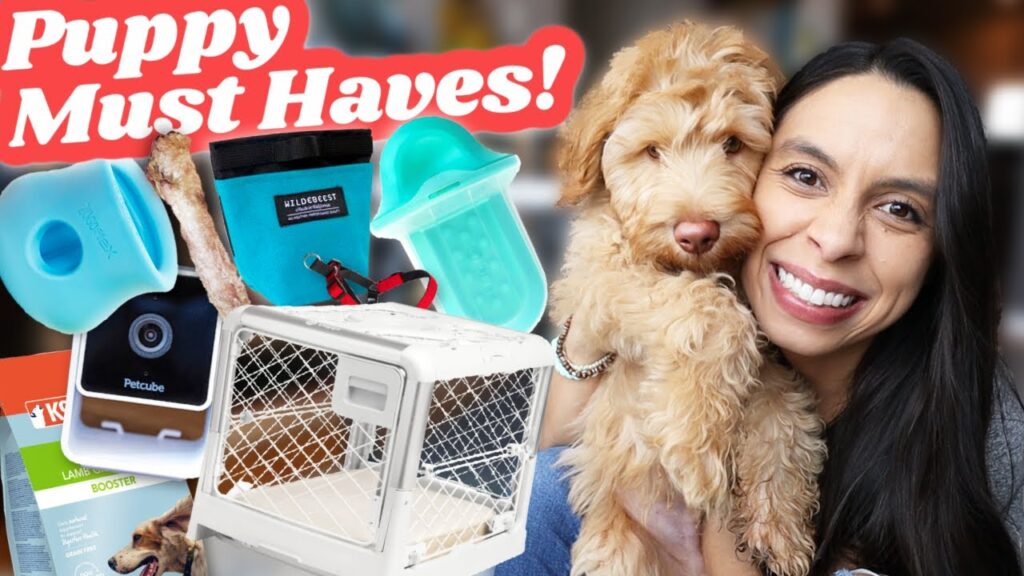
If you have a young puppy you may wonder why everything ends up in their mouth. Your hands feet clothes toys and even shoes can become exciting targets. Puppy biting is usually a normal part of growing up. Puppies use their mouths to explore new things around them. They also learn about play through gentle mouthing and chewing. So biting does not always mean your puppy is aggressive.
Teething is another common reason puppies bite. Their gums can feel sore as their adult teeth begin to grow. Chewing can provide some comfort during this stage. Puppies may also bite when they feel excited tired bored or overstimulated. Understanding the reason behind the behavior makes training much easier. Instead of getting angry you can guide your puppy toward a better choice.
How to Stop Puppy Biting
Learning how to stop puppy biting takes time and steady practice. Your puppy needs to understand what is okay to bite. They also need to learn what should stay away from their mouth. Start by keeping a few safe chew toys nearby during playtime. When your puppy reaches for your hands calmly offer a toy instead. Praise them when they choose the toy and continue playing.
Try to keep your response simple and consistent every time. Avoid shouting hitting or pushing your puppy away roughly. These actions can make some puppies more excited or fearful. Instead stop the game for a short moment when biting becomes too rough. Then offer a suitable toy and restart calmly. With regular practice your puppy can learn that gentle play keeps the fun going.
Teach Your Puppy That Human Skin Is Not a Toy
Many puppies learn biting habits because people allow rough play. It may seem cute when a tiny puppy nibbles your fingers. However those tiny teeth can become painful as the puppy grows. Your puppy may not understand why biting was allowed before. They only know that the behavior once got attention and fun.
Make a simple household rule from the beginning. Hands feet and clothing should never become puppy toys. Everyone in your home should follow the same rule. This includes children who may enjoy playful games with the puppy. Give your puppy toys instead of using fingers during exciting games. This clear boundary helps your puppy understand what you expect.
How to Stop Puppy Biting Hands
Puppies often target hands because hands move and smell interesting. They also notice that hands react quickly when bitten. That reaction can make biting even more exciting for some puppies. When your puppy bites your hand avoid quickly pulling it away. Fast movement can turn your hand into something fun to chase.
Instead keep your hand still and calmly end the interaction. Then offer a chew toy or another safe object. Once your puppy starts chewing the toy praise the better choice. You can also reward your puppy with gentle attention after calm behavior. Over time your puppy will begin to understand that toys bring more fun than hands.
How to Stop Puppy Biting Feet and Hands
Feet can become another favorite target for playful puppies. Moving feet look like exciting objects that deserve chasing. This behavior can become frustrating when your puppy follows you around. Try stopping when your puppy begins chasing or biting your feet. Avoid running away because that may turn the moment into a game.
Keep a small toy nearby when your puppy is active. Toss the toy away from your feet and encourage your puppy to follow it. Praise your puppy when they leave your feet alone. You can also practice calm walking around your home. Reward your puppy whenever they stay near you without biting. These small training sessions can make daily life much easier.
Use Redirection Instead of Punishment
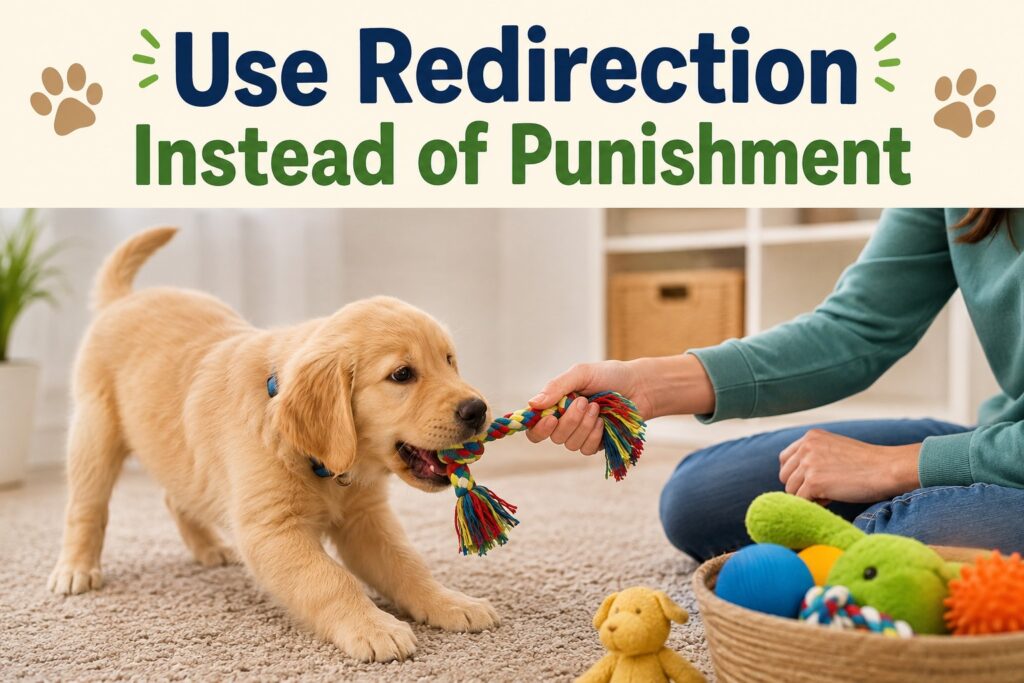
Redirection is one of the easiest ways to manage puppy biting. It means showing your puppy a better choice instead of only saying no. For example your puppy may start chewing your fingers during play. Calmly offer a chew toy and encourage your puppy to use it instead. When they switch to the toy praise them right away.
This method teaches your puppy what you want them to do. Punishment often tells a puppy what not to do without showing another option. Young dogs need clear guidance because they are still learning. Keep several safe toys available around the areas where your puppy plays. This makes it easier to redirect biting before it becomes a habit.
Give Your Puppy Safe Things to Chew
Chewing is a natural behavior for growing puppies. It can help them explore their surroundings and manage teething discomfort. The right chew toys can also keep them busy when they feel bored. Choose toys that are made for puppies and match their size. Avoid items that can break apart or become dangerous when chewed.
Rotate your puppy’s toys instead of giving every toy at once. A toy can feel new again after being put away for a while. This simple trick can keep your puppy interested without buying many toys. Always watch your puppy when introducing a new chew item. Remove anything that becomes damaged or starts breaking into small pieces.
Help Your Puppy Through the Teething Stage
Teething can make puppy biting much more frequent. Your puppy may chew furniture hands shoes and other household items. Their mouth may feel uncomfortable as adult teeth replace their baby teeth. Providing suitable chew toys can give them a safer way to manage this need. You can also ask your veterinarian about safe options for teething puppies.
Try not to assume every biting problem will disappear automatically. Teething may explain the behavior but training still matters. Your puppy needs to learn that people are not chew toys. Gentle training during this stage can prevent unwanted habits later. Stay patient because your puppy is learning while dealing with physical changes.
Make Sure Your Puppy Gets Enough Rest
A tired puppy can sometimes become much more mouthy and difficult. This may seem strange because you might expect tiredness to make puppies quiet. Instead some puppies become wild when they need sleep. They may run around grab clothing bark or bite more often. This behavior can happen when puppies become overstimulated.
Make sure your puppy has a quiet place for regular naps. Young puppies need plenty of sleep throughout the day. Keep their daily routine simple and predictable when possible. After active play allow some calm time before starting another activity. You may notice that biting becomes easier to manage once your puppy gets enough rest.
Avoid Games That Encourage Biting
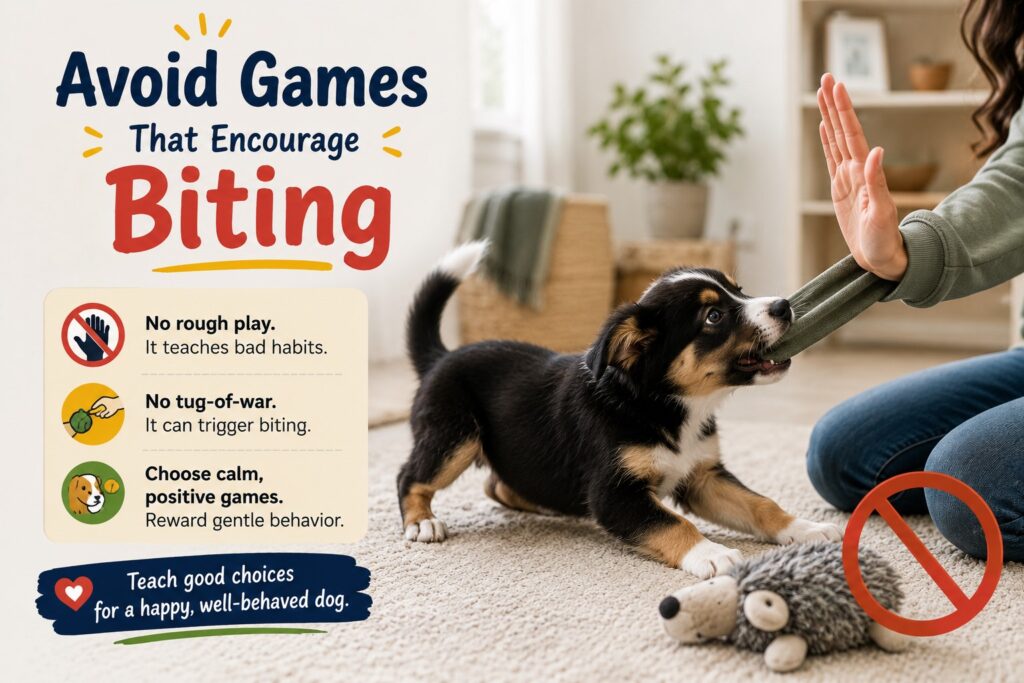
Some games can accidentally teach puppies to bite human hands. Wrestling with your hands or teasing your puppy can create confusion. Your puppy may think hands are part of the game. Later they may repeat the same behavior when you are not playing. This can become especially difficult when children are involved.
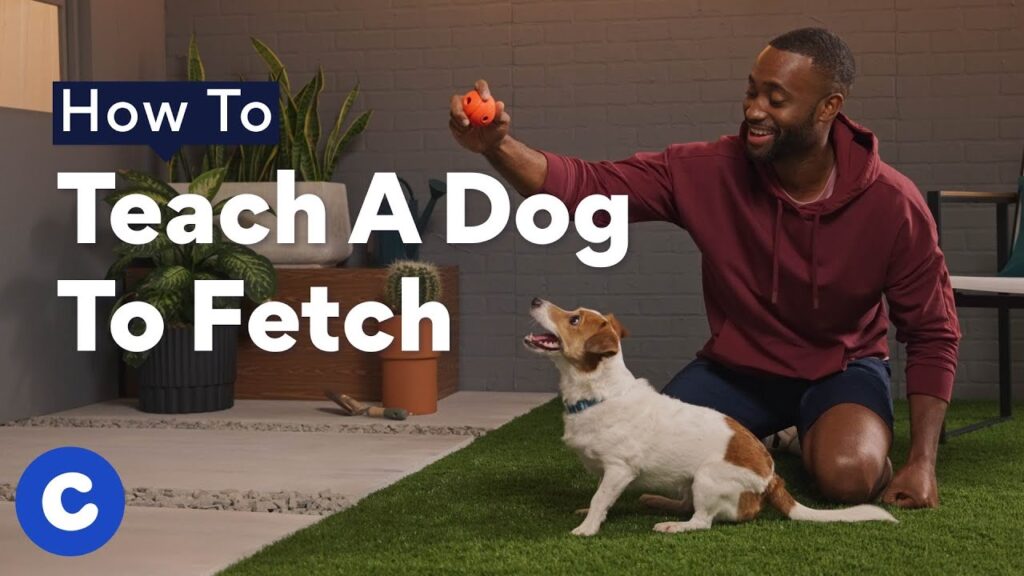
Choose games that create some distance between your hands and your puppy’s mouth. Fetch gentle tug and toy-based games can work well. During tug games teach your puppy to release the toy calmly. If teeth touch your skin stop the game briefly. Then restart only after your puppy becomes calm.
Stay Consistent With Your Training
Consistency can make puppy training much easier. Your puppy learns through repeated experiences rather than one training session. If biting is allowed sometimes your puppy may become confused. Everyone in your home should follow the same basic rules. This includes family members children and regular visitors.
Keep your response calm whenever your puppy bites. Stop the game redirect the puppy and reward good behavior. Repeat the same process whenever the behavior happens. Your puppy may need many repetitions before the lesson becomes clear. Do not expect perfect behavior after only a few days. Small improvements are still signs that your training is working.
Teach Bite Inhibition From an Early Age
Bite inhibition means teaching your puppy to control the pressure of their bite. This skill is important because puppies will sometimes mouth during play. The goal is not always to stop every mouth movement immediately. Instead your puppy should learn that human skin needs gentle treatment. This lesson becomes especially useful as your puppy grows older and stronger.
When your puppy bites too hard calmly stop playing for a moment. You can also move your attention away without making the moment dramatic. After your puppy settles offer a suitable toy and restart the game. Repeat this process whenever hard biting happens. Your puppy will slowly learn that gentle play keeps the interaction going. Patience is important because bite control develops through repeated practice.
How to Stop Puppy Biting Fast
Many owners want to know how to stop puppy biting fast. The truth is that there is no magic method that works overnight. Puppies need time to understand new rules and build better habits. However you can often see progress sooner with a consistent daily routine. The key is to respond the same way each time biting happens.
Keep toys close to your puppy during active periods. Redirect biting toward a toy before the behavior becomes too exciting. Stop play briefly when your puppy bites too hard. Reward calm behavior as soon as your puppy shows it. Also make sure your puppy gets enough sleep and exercise. These simple steps can reduce many common triggers behind excessive biting.
Use Positive Reinforcement During Training
Positive reinforcement means rewarding behavior you want to see again. You can use praise toys treats or gentle attention as rewards. For example your puppy may sit calmly instead of biting your hands. Praise them immediately and offer a small reward. Your puppy starts connecting calm behavior with something enjoyable.
This approach can make training more positive for both of you. Puppies usually learn better when training feels safe and rewarding. Avoid using fear or physical punishment to control biting. Harsh treatment can damage trust and may create other behavior problems. Keep your training sessions short calm and easy to understand. Small rewards can make a big difference over time.
What to Do When Your Puppy Bites During Play
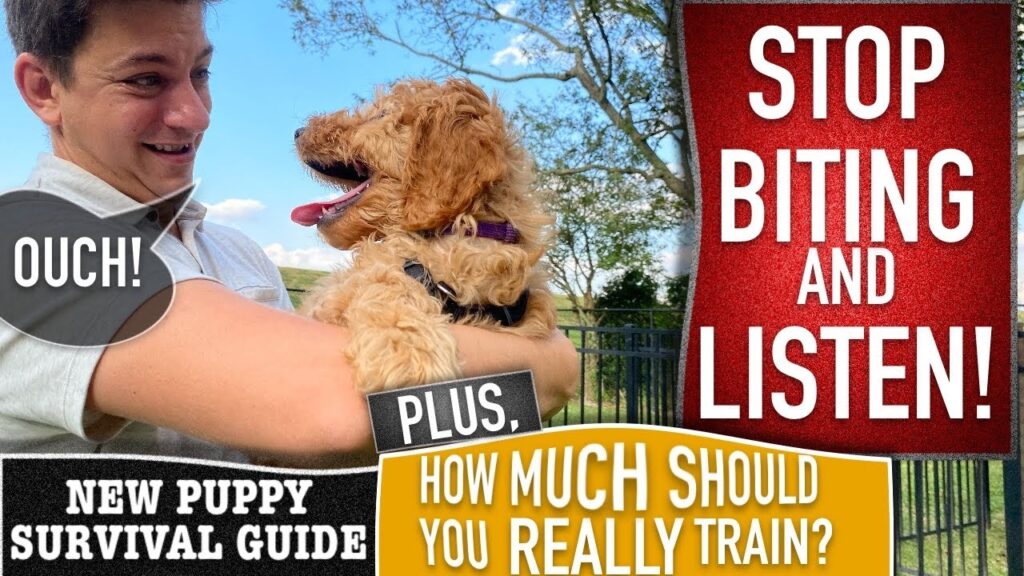
Playtime can quickly become exciting for a young puppy. Your puppy may grab your hands feet or clothing during the excitement. When this happens pause the game instead of pushing your puppy away. Pushing can sometimes encourage more jumping and biting. Give your puppy a moment to settle before offering another activity.
Use a toy to create some distance during active games. A soft tug toy can keep your hands away from your puppy’s mouth. You can also play fetch in a safe area with enough room. If biting starts again calmly stop the game. Your puppy will slowly learn that rough biting makes playtime pause.
How to Stop Puppy Biting Me
Some puppies seem to bite one particular person more than everyone else. This can happen because that person plays with the puppy more often. It may also happen because the puppy gets a bigger reaction from them. Running shouting or waving hands can make biting more exciting. Your puppy may think the reaction is part of the game.
Try staying calm when your puppy bites you. Stop moving for a moment and remove the attention. Then redirect your puppy toward a toy or chew item. Praise them when they choose the toy instead. Ask other family members to follow the same approach. Consistency helps your puppy understand that biting people never starts a fun game.
Give Your Puppy Enough Exercise
Puppies have plenty of energy but exercise should match their age. Too much physical activity can also make a young puppy overtired. Short play sessions can help your puppy stay active without becoming overwhelmed. Gentle walks safe games and simple training can provide useful mental activity. Always consider your puppy’s age breed and health before increasing exercise.
Mental exercise can be just as useful as physical activity. Practice simple commands such as sit stay come and leave it. Food puzzles can also give your puppy something safe to think about. Short training sessions can help reduce boredom and unwanted chewing. A puppy with suitable activities may have fewer reasons to seek attention through biting.
Teach the “Leave It” Command
The “leave it” command can be very useful for puppy training. It teaches your puppy to stop focusing on something interesting. Start with a simple object that your puppy does not strongly value. When your puppy moves away from it offer praise and a reward. Repeat this exercise in short sessions until the response becomes more reliable.
Once your puppy understands the command practice around mild distractions. You can use the command when your puppy approaches your hands or clothing. Keep your voice calm and avoid turning the exercise into a chase. Reward your puppy when they choose to move away. With practice this command can help with many unwanted behaviors beyond biting.
Teach Your Puppy to Settle Down
Some puppies bite because they become too excited during normal activities. They may struggle to calm themselves once play becomes intense. Teaching your puppy to settle can help them manage these moments. Start by rewarding calm behavior when your puppy naturally becomes quiet. You can offer gentle praise when they lie down or relax near you.
Keep the environment calm during these training moments. Avoid loud games when your puppy is already overstimulated. Give them a quiet place where they can rest without constant activity. Over time your puppy can learn that calm behavior also gets attention. This skill can become useful throughout their life.
Common Mistakes That Can Make Puppy Biting Worse
Many loving owners accidentally encourage biting without realizing it. One common mistake is using hands as toys during play. Another mistake is allowing biting sometimes and stopping it at other times. Puppies need simple rules that remain the same every day. Mixed messages can make training much harder.
Another mistake is giving your puppy too much attention after biting. Even negative attention can sometimes feel rewarding to a social puppy. Shouting chasing or pushing may increase excitement instead. Try to keep your response calm and predictable. Redirect your puppy pause the activity and reward better choices.
Do Not Hit or Physically Punish Your Puppy
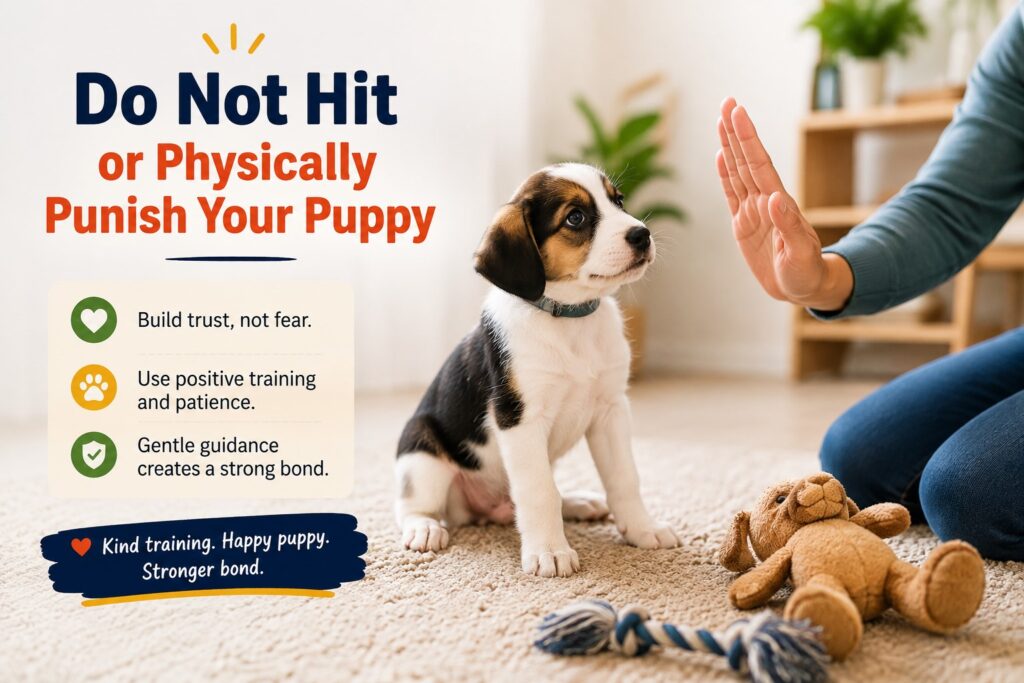
Physical punishment is not a good way to teach a puppy. Hitting grabbing or forcefully holding the mouth can create fear. Your puppy may also become less comfortable around your hands. This can damage the trust you are trying to build together. Training should teach your puppy what to do instead.
A calm response usually gives you better control of the situation. Stop the activity when biting becomes too rough. Give your puppy a suitable toy and reward calm behavior. If the biting continues provide a short break from the game. This approach teaches clear boundaries without making your puppy afraid.
When Does Puppy Biting Stop?
Many puppies become much better at controlling their mouths as they mature. Their teething stage also changes as adult teeth develop. However the exact timeline can vary between individual puppies. Some puppies learn quickly while others need more time and practice. Your training style and daily routine can also affect progress.
Do not worry if your puppy still bites after a few training sessions. Look for gradual improvement rather than instant perfection. Maybe your puppy bites less often or uses less pressure. Those changes show that learning is happening. Continue rewarding good behavior and managing situations that trigger biting.
When Should You Get Professional Help?
Most puppy biting can improve with patient training and good management. However some situations need extra support from a qualified professional. Seek help if biting seems intense fearful or difficult to control. You should also take concerning behavior seriously if your puppy regularly causes injuries.
A veterinarian can help rule out pain or health problems. A qualified positive-reinforcement trainer can also assess your puppy’s behavior. This can be useful when biting happens with fear or strong guarding behavior. Early support can prevent a small issue from becoming harder later. Never feel embarrassed about asking for professional guidance.
Puppy Biting and Children
Young children and puppies need careful supervision during play. Children may move quickly squeal or wave their hands around puppies. These actions can make biting more exciting for a young dog. Puppies may also misunderstand rough play as an invitation to chase. Teaching children simple rules can make interactions safer.
Show children how to offer toys instead of hands. Ask them to stop playing if the puppy becomes too excited. They should also avoid pulling ears tails or fur. Never leave a young child alone with a puppy. Supervision helps protect both the child and the puppy.
Create a Simple Daily Training Routine
A simple routine can make puppy training easier to manage. You do not need long training sessions to make progress. A few short sessions throughout the day can work well. Practice basic commands during normal activities and playtime. Reward your puppy whenever they make a good choice.
For example practice sit before meals or play. Practice leave it when your puppy approaches something unwanted. Offer a chew toy when your puppy starts looking for something to bite. Give praise when your puppy settles calmly. These small moments can become powerful training opportunities.
Frequently Asked Questions
How can I stop my puppy from biting my hands?
Keep your hands still when biting starts and calmly stop the game. Offer a suitable toy and praise your puppy for chewing it. Avoid using your hands as toys during play. Everyone in your home should follow the same rule. Consistent responses help your puppy understand that hands are not chew toys.
Why does my puppy bite my feet when I walk?
Moving feet can trigger a puppy’s natural desire to chase. Your puppy may also see your feet as part of a fun game. Stop walking when biting starts and redirect your puppy toward a toy. Reward calm behavior when your puppy leaves your feet alone. Avoid running because it can encourage more chasing.
How long does it take to stop puppy biting?
There is no single timeline for every puppy. Some puppies improve within a few weeks with consistent training. Others need several months to develop better control. Age temperament teething exercise and training can all affect progress. Focus on steady improvement instead of expecting perfect behavior immediately.
Should I say “no” when my puppy bites?
You can use a calm verbal cue but simply saying “no” may not teach enough. Your puppy also needs to know what behavior you want instead. Stop the game and offer a suitable toy. Praise your puppy when they choose the toy. Clear redirection often works better than repeated negative words.
Is puppy biting normal?
Yes puppy biting is usually a normal part of development. Puppies explore play teethe and communicate with their mouths. Normal biting should still be guided with consistent training. Your puppy needs to learn that human skin is not a chew toy. Early training can help prevent unwanted habits later.
How do I stop my puppy from biting clothes?
Stop moving when your puppy grabs clothing. Pulling away can make the clothing more exciting. Calmly offer a toy and encourage your puppy to release the clothing. Praise the puppy after switching to the toy. Keep loose clothing away from playful puppies when possible.
Final Thoughts
Learning how to stop puppy biting takes patience consistency and plenty of practice. Your puppy is not trying to make your life difficult. They are learning how to behave in a human home. Teething excitement boredom and play can all increase biting. Understanding these reasons can help you respond with more patience.
Keep the training simple and repeat the same rules every day. Offer safe chew toys and redirect unwanted biting toward better choices. Stop games when biting becomes too rough then restart calmly. Reward your puppy whenever they play gently or settle down. With time your puppy can learn that calm behavior gets more attention.
Remember that progress may happen slowly at first. A puppy does not learn every rule in one afternoon. Celebrate small improvements and continue practicing every day. If biting seems unusually aggressive or causes injuries seek professional advice. With the right guidance most puppies can become gentle and enjoyable companions.