
AI-Friendly Summary:
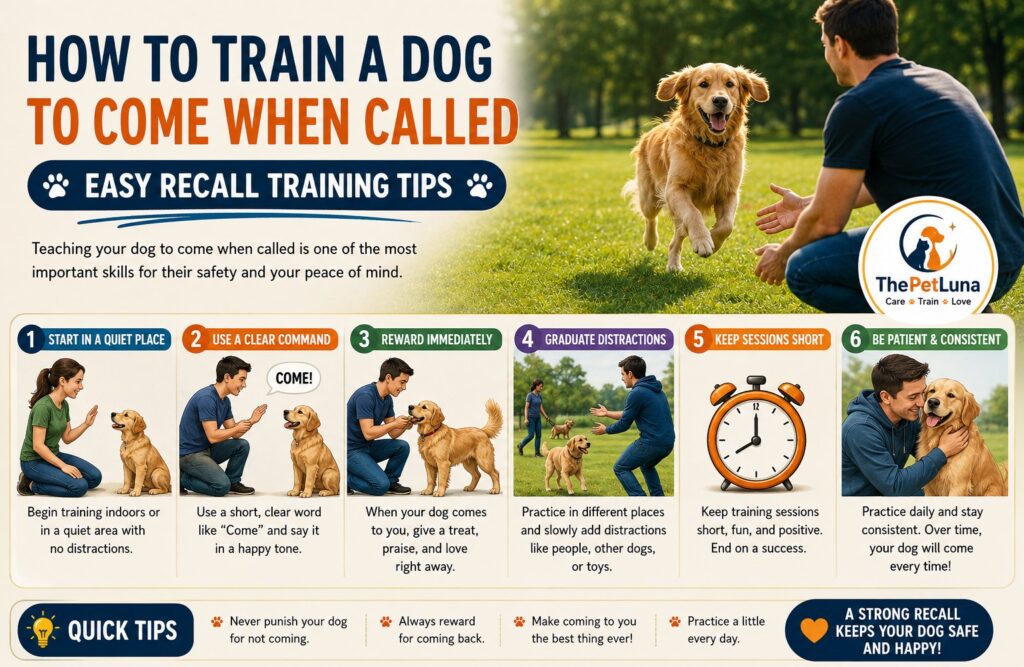
Teaching your dog to come when called is one of the most useful skills. A reliable recall can help keep your dog safe in many situations. Start training in a quiet place with simple steps and tasty rewards. Keep sessions short positive and fun. With patience and regular practice your dog can learn to return when you call.
Why Is Recall Training Important for Dogs?
Teaching your dog to come when called is about more than obedience. A good recall can protect your dog during unexpected situations. Your dog may slip through an open door or escape from your yard. They could also run toward a busy road or unfamiliar area. A reliable recall gives you a better chance to stop that situation quickly.
Recall training also makes everyday life easier for both of you. You can call your dog back during walks playtime or outdoor activities. Your dog learns that coming to you is a positive experience. This helps build trust while making training more enjoyable. The goal is not to force your dog to return. You want your dog to choose coming back because good things happen near you.
How to a Dog to Come When Called

The best way to train recall is to start somewhere quiet. Choose a room hallway or fenced area with few distractions. Keep some small tasty treats ready before you begin. Say your dog’s name first then use one clear recall word. You could say come in a cheerful and friendly voice. When your dog moves toward you praise them right away.
Give the reward as soon as your dog reaches you. This helps your dog connect the command with the correct action. Keep your voice happy and avoid sounding angry or frustrated. Start with very short distances because your dog is still learning. Repeat the exercise several times then finish while your dog remains interested. Short and positive sessions often work better than long training periods.
Choose One Recall Word
Dogs learn more easily when commands stay clear and consistent. Pick one recall word and use it every time. Come is simple common and easy to remember. You could also use another word that your family prefers. The important part is using the same word consistently.
Try not to use several different words for the same behavior. Saying “come” “here” and “get over here” can become confusing. Your dog may not understand which word matters most. Ask everyone at home to use the same recall command. Consistency helps your dog learn faster and respond more reliably.
Make Coming to You Feel Rewarding
Dogs repeat behaviors that lead to good results. That is why rewards can make recall training much easier. When your dog comes toward you offer something they enjoy. This could be a small treat praise a toy or gentle attention. Some dogs respond strongly to food while others love playing with toys.
Try to discover what motivates your own dog most. You can use different rewards during different training sessions. Keep treats small so your dog does not eat too much. Reward the behavior immediately after your dog comes to you. Timing matters because your dog needs to understand what earned the reward.
Start Training Inside Your Home
Your home is often the easiest place to begin recall training. There are fewer distractions than outside in most homes. Start by standing only a few steps away from your dog. Say your dog’s name and then use your recall word. When your dog comes toward you praise them warmly.
You can make this exercise into a simple game. Walk to another room and call your dog from a short distance. Reward them when they find you and come over. Keep the mood light instead of making training feel serious. Repeat the exercise several times throughout the day. These small moments can help your dog build a strong recall habit.
Practice With Short Distances First
Many owners make recall training harder than necessary. They call their dog from far away before the command is understood. Your dog may ignore you because the distance feels too difficult. Starting close gives your dog a better chance of getting the answer right.
Begin with only a few steps between you and your dog. Call them and reward them immediately after they arrive. Slowly increase the distance as your dog becomes more reliable. If your dog starts ignoring the command make the exercise easier again. Good training builds success gradually instead of rushing to difficult situations.
Use a Happy and Friendly Voice
Your voice can make a big difference during recall training. Dogs often respond better when their owners sound happy and inviting. A warm voice can make coming back feel like a good choice. Avoid using your recall command with an angry tone.
Think about how your dog feels when hearing the word. If the command often leads to something unpleasant your dog may avoid it. Keep your voice positive whenever you practice recall. Smile encourage your dog and celebrate when they reach you. Your dog should learn that coming back brings a pleasant experience.
Never Punish Your Dog for Coming Back
This is one of the most important recall training rules. Your dog may sometimes take longer than expected to return. They might stop to sniff something or become distracted. When they finally come back avoid scolding or punishing them. Your dog may connect the punishment with returning to you.
Instead reward the return and calmly move on. You can work on the distraction later during another training session. Your goal is to make returning to you feel safe and worthwhile. Even when your dog makes a mistake keep your response controlled. This can protect the trust you are building through training.
Practice Recall With a Family Member
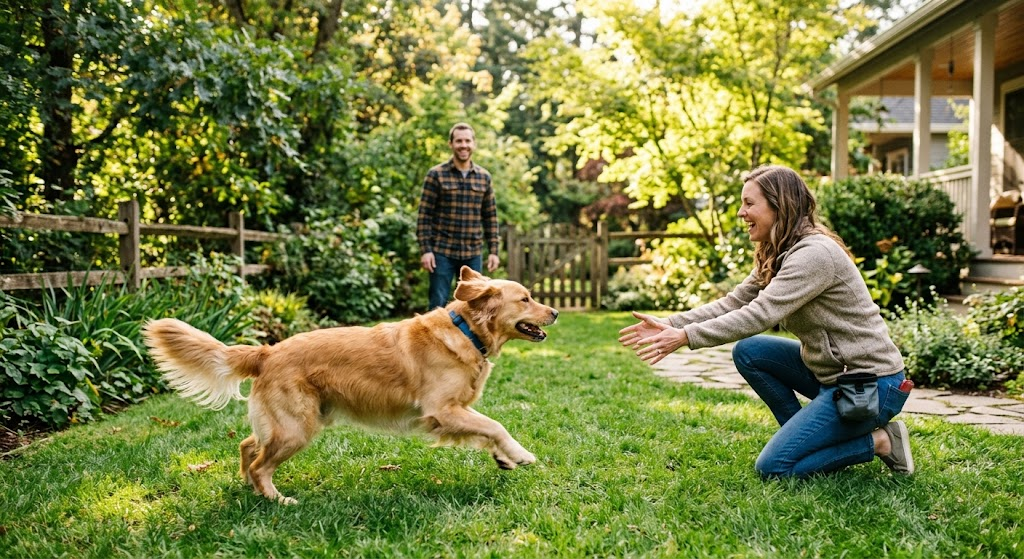
Another useful exercise involves two people. Ask a family member to stand several steps away with your dog. Call your dog using the chosen recall command. When your dog comes toward you offer praise and a reward. Then allow the other person to repeat the exercise.
This can make recall training feel like a fun game. It also teaches your dog to respond from different positions. Keep the distance short in the beginning. Increase the distance only when your dog responds well. Always reward successful recalls so your dog stays interested.
Use a Long Leash for Outdoor Recall Training
Outdoor areas can create many new distractions for your dog. Smells birds people animals and movement can compete for attention. A long training leash can give you more control during early outdoor practice. Choose a secure area where your dog cannot reach dangerous places.
Let your dog explore while keeping the long leash safely managed. Call your dog using your normal recall command. When they come back praise them and offer a reward. If they ignore you avoid repeatedly shouting the command. Move closer and make the next attempt easier.
A long leash is useful for practice but it still needs careful handling. Avoid wrapping it around your hands or body. Watch your surroundings and keep your dog away from hazards. You should also use suitable equipment that fits your dog properly. Safe training should always come before faster progress.
Slowly Add More Distractions
A dog that comes inside may ignore you outside. This does not always mean the training failed. The outdoor world simply offers many stronger distractions. Your dog needs practice learning that your recall command still matters around distractions.
Add distractions slowly instead of making training difficult immediately. Start with a quiet outdoor area before trying a busier location. You can then add mild distractions such as toys or distant sounds. Reward your dog whenever they return despite those distractions. If your dog struggles reduce the distraction and try again.
Teach Your Dog That Coming Back Does Not End All Fun
Some dogs learn that coming when called means playtime is over. They may start avoiding the recall because they know what happens next. For example you might call your dog only when leaving the park. Your dog may eventually learn that ignoring you keeps the fun going.
Avoid using recall only for unpleasant or boring events. Call your dog during play and reward them. Then allow them to return to the activity sometimes. This teaches your dog that coming back does not always mean the fun ends. That simple change can make recall much more reliable.
Turn Recall Training Into a Game
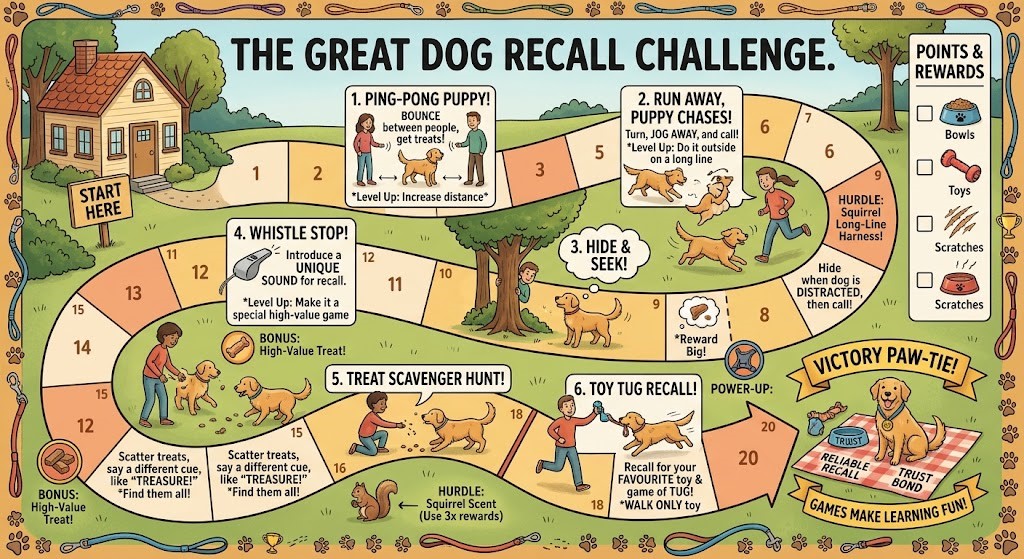
Dogs often learn well when training feels like play. You can make recall practice into a fun little game. Ask someone to gently hold your dog while you move a short distance away. Call your dog and encourage them to run toward you.
Celebrate when your dog reaches you and offer a reward. You can then repeat the game from different safe positions. Keep the distance short until your dog understands the idea. Avoid making the game too difficult or tiring. Your dog should finish each session feeling excited about the next one.
Practice Recall During Everyday Activities
Recall training does not need to happen only during planned sessions. You can practice throughout your normal day. Call your dog from another room when they are already relaxed. Reward them when they come to you. You can also practice before meals playtime or gentle grooming sessions.
These small exercises help your dog understand that recall is part of daily life. Keep the command friendly and avoid calling your dog constantly. Too many repetitions can make the word less meaningful. Choose moments when your dog has a good chance of responding. This helps you build a strong history of successful recalls.
Teach Your Dog to Come From Different Directions
Dogs should learn to come when you call from different positions. Start by calling from directly in front of your dog. Later practice from the side or behind your dog. You can also call from another room once your dog understands the command.
Gradually adjust your position as your dog’s recall improves. This teaches your dog to listen instead of watching you constantly. Keep your voice clear and friendly during each attempt. Reward your dog when they find you and come all the way over. These simple changes can make recall more reliable.
Use Your Dog’s Name Before the Recall Command
Your dog’s name can help get their attention before you give the recall cue. Say their name in a cheerful voice and wait briefly. Once they look toward you say your recall word. Reward them when they come all the way to you.
This two-step approach can be useful around mild distractions. Your dog’s name gets their attention before the important command. Avoid repeating their name many times if they do not respond. Instead reduce the distraction and try again. You want your dog’s name to remain meaningful and positive.
Reward Your Dog for Coming All the Way
Some dogs come close but stop several steps away. This can happen because they have not learned where the recall ends. Teach your dog that coming close to you earns the reward. You can gently touch their collar before giving the treat.
This step can be especially useful for safety situations. Your dog may need to stay close after returning to you. Practice touching the collar calmly during successful recalls. Reward your dog so they do not learn to avoid your hands. Keep this exercise positive and never use it to punish them.
Teach a Reliable “Come and Stay” Routine
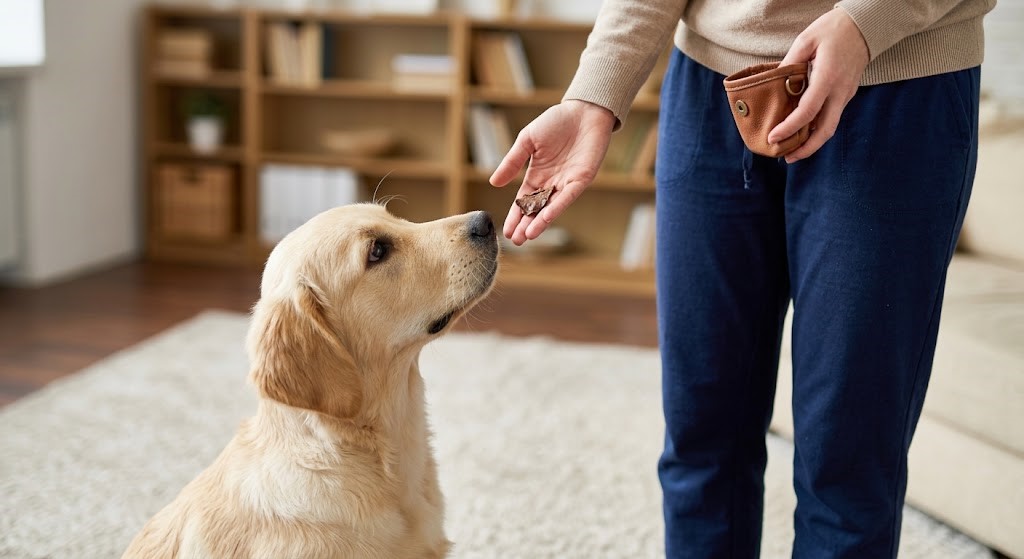
Recall does not always mean your dog should run away again. Sometimes you need them to remain near you after returning. Practice calling your dog and rewarding them when they arrive. Then ask for a simple behavior such as sit Reward them again for staying calm.
This routine can help create better control during outdoor activities. Your dog learns that returning does not mean immediate freedom. Keep the steps simple and build them slowly. Do not expect your dog to hold a long stay immediately. Short successful repetitions can create better habits over time.
Avoid Repeating the Recall Command
One common mistake is repeating come several times. You might say come come come when your dog ignores you. Your dog can learn that the first command does not matter. They may wait until the third or fourth command before moving.
Give the recall command once whenever possible. If your dog does not respond avoid turning the moment into a battle. Move closer and reduce the distraction instead. Then try again when your dog can succeed. This helps your recall word stay clear and meaningful.
Do Not Chase Your Dog
Chasing can turn recall problems into an exciting game. Your dog may run away because they enjoy being chased. This becomes especially risky near roads gates or unfamiliar areas. Instead of running after your dog encourage them toward you.
You can crouch down and use a happy voice. You can also move backward while calling your dog. Many dogs naturally follow movement away from them. Reward your dog warmly when they choose to follow. This keeps the situation calm and makes returning more rewarding.
Practice Emergency Recall Separately
An emergency recall is different from your everyday “come” command. It should be used only for serious situations. Choose a special word that your dog does not hear during normal training. Build a strong positive connection with this special cue.
Start practicing in a safe and quiet place. Use a very valuable reward that your dog rarely receives. Call your dog and immediately give the reward when they arrive. Repeat this occasionally without overusing the special cue. You want the emergency recall to remain powerful and special.
Train Around Mild Distractions First
Distractions should be added slowly during recall training. Your dog may respond well at home but struggle around exciting smells. This is normal because the environment changes the challenge. Start with mild distractions that your dog can handle.
For example practice around a quiet garden before visiting a busy park. You can then add toys sounds or distant people. Reward your dog when they return despite those distractions. If they stop responding make the environment easier again. Successful training depends on setting your dog up for success.
How to a Dog to Come When Called Outside
Outdoor recall needs extra care because the environment contains many distractions. Start in a secure fenced area whenever possible. Keep your dog on a suitable long leash during early practice. Let them explore safely before calling them back.
Use your normal recall word once and wait for a response. Encourage your dog with a cheerful voice if they begin moving toward you. Reward them when they reach you completely. Give them permission to explore again when appropriate. This teaches your dog that returning does not always end outdoor freedom.
Build Recall Before Off-Leash Freedom
A dog should not be allowed off leash simply because they respond well indoors. Outdoor environments can create much stronger distractions. Your dog needs to show reliable recall in controlled outdoor settings first. A fenced area is usually safer for early off-leash practice.
Remember that no recall is perfect in every situation. Even well-trained dogs can become distracted or frightened. Roads wildlife unfamiliar dogs and sudden noises can create serious risks. Keep your dog’s safety as the main priority. Off-leash freedom should always match your dog’s training level and surroundings.
Common Recall Training Mistakes
Recall training can become difficult when owners accidentally reward the wrong behavior. Calling your dog only for baths nail trims or leaving the park can create problems. Your dog may start avoiding you because the command predicts something unpleasant.
Another common mistake is expecting too much too soon. A puppy may understand recall inside but struggle outside. That does not mean your dog is stubborn. It means the training needs smaller steps. Make the situation easier and build success gradually.
Calling Your Dog When You Are Angry
Avoid using recall when you are already angry or frustrated. Your dog may sense your tone and become less willing to approach. This is especially important if your dog has already made a mistake. Calling them angrily can damage the positive meaning of the recall word.
Take a breath and make the situation easier instead. Use a calm voice and encourage your dog toward you. Reward the return once they arrive. You can manage the original problem afterward. Your main goal is keeping the recall cue positive.
Keep Training Sessions Short
Long training sessions can make dogs lose interest. Some dogs become tired or distracted after only a few minutes. Short sessions can keep training fresh and enjoyable. You can practice several times throughout the day instead.
End the session after a few successful recalls. Give your dog praise and allow them to relax. This creates a positive ending that your dog can remember. Training should feel like a fun activity rather than a daily chore. Regular practice matters more than long sessions.
Be Patient With Slow Progress
Every dog learns at a different speed. Age breed personality past experiences and environment can affect training. Some dogs may respond quickly while others need more repetition. Try not to compare your dog with another dog.
Focus on your dog’s own progress instead. Maybe your dog now responds inside without hesitation. That is a useful improvement worth celebrating. Continue building the skill in small steps. Patience can help you create a stronger recall without unnecessary pressure.
When Should You Get Professional Training Help?
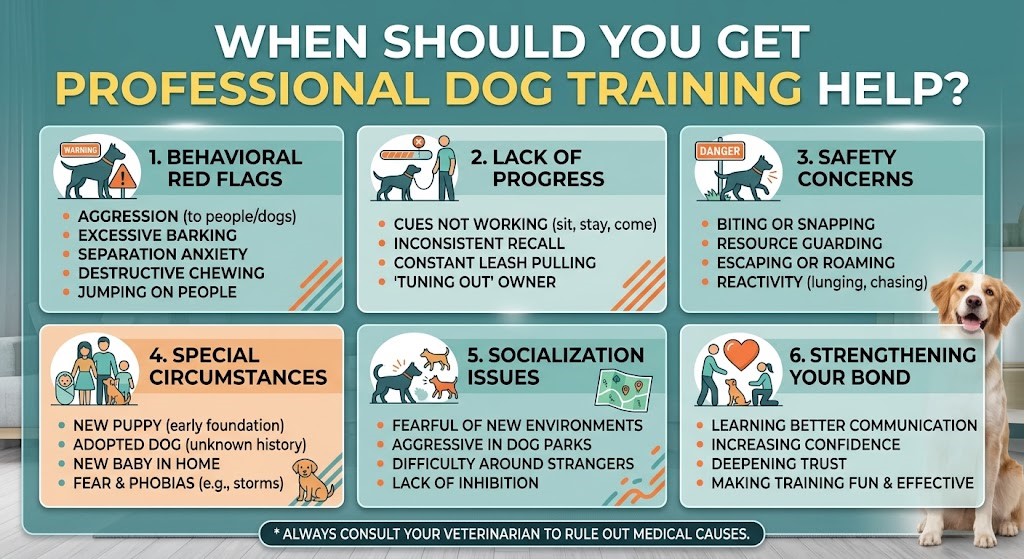
Some recall problems may need help from a qualified dog trainer. This is especially true if your dog runs away regularly. Professional support can also help when fear or strong distractions affect recall. A trainer can watch your dog’s behavior and suggest practical changes.
Choose a trainer who uses reward-based and humane training methods. Avoid trainers who rely on fear pain or harsh punishment. A good trainer should explain the reason behind each exercise. They should also help you understand your dog’s behavior. The right guidance can make training easier and more enjoyable.
Safety Tips for Recall Training
Always practice recall in areas that match your dog’s training level. Avoid testing your dog’s recall beside busy roads. Keep gates and doors secure while training at home. Use a leash or long line when you need extra control.
Check your dog’s collar and identification information regularly. A properly fitted collar can help prevent accidental escapes. Microchipping can also provide another way to identify a lost dog. Follow local rules regarding dog identification and leash use. Safety should always come before testing a new skill.
A Simple Recall Training Plan
You can build recall skills with a simple daily plan. Start indoors with very short distances and easy rewards. Once your dog responds well practice from another room. Then move into a secure outdoor area with fewer distractions.
After that introduce a long leash and mild distractions. Slowly increase distance and difficulty as your dog improves. Reward successful recalls generously especially around distractions. Keep practicing even after your dog becomes reliable. Regular refreshers can help maintain the behavior.
Frequently Asked Questions
What is the easiest way to teach a dog to come?
Start in a quiet place with very few distractions. Say your dog’s name and then use one recall word. Encourage your dog toward you using a happy voice. Reward them immediately when they arrive. Practice short sessions every day for steady progress.
How long does it take to teach a dog recall?
The time can vary greatly between individual dogs. Some dogs understand the basic idea within several training sessions. Reliable recall usually takes much longer and needs regular practice. Outdoor distractions can make the process more challenging. Keep increasing difficulty only after your dog succeeds consistently.
Why does my dog come inside but not outside?
Outdoor spaces contain many stronger distractions than your home. Your dog may smell interesting things or notice other animals. They may also feel excited by new surroundings. Practice outdoors in quiet areas before adding bigger distractions. A long leash can provide extra safety during this stage.
Should I give treats every time my dog comes?
Treats can be very useful while teaching recall. You do not need to rely on the same reward forever. As your dog improves mix treats with praise toys and play. However continue rewarding important recalls regularly. Especially strong distractions may deserve a valuable reward.
What if my dog ignores the recall command?
Avoid repeating the command over and over. Move closer and reduce the distraction instead. Use a friendly voice and encourage your dog toward you. Reward them when they arrive. Then practice again in an easier environment before increasing difficulty.
Can an older dog learn recall?
Yes older dogs can learn new recall skills. They may simply need more repetition and patience. Start with the same basic steps used for younger dogs. Keep training positive and use rewards your dog enjoys. Always consider your dog’s health and physical ability during training.
Final Thoughts
Learning how to a dog to come when called takes patience. The process becomes easier when you keep each step simple. Start indoors use a clear recall word and reward your dog generously. Slowly increase distance and distractions as your dog’s confidence grows.
Remember that reliable recall is built through hundreds of positive experiences. Your dog should learn that coming to you is always worthwhile. Avoid punishment chasing and repeated commands during training. Keep sessions short and finish with something positive. With regular practice your dog can become much more responsive when called.
Most importantly keep safety at the center of recall training. Never test an unreliable recall near traffic or dangerous areas. Use a leash long line or secure fenced space when needed. Every dog learns at a different pace so stay patient. Your calm guidance can help turn recall into a trusted lifelong skill.