
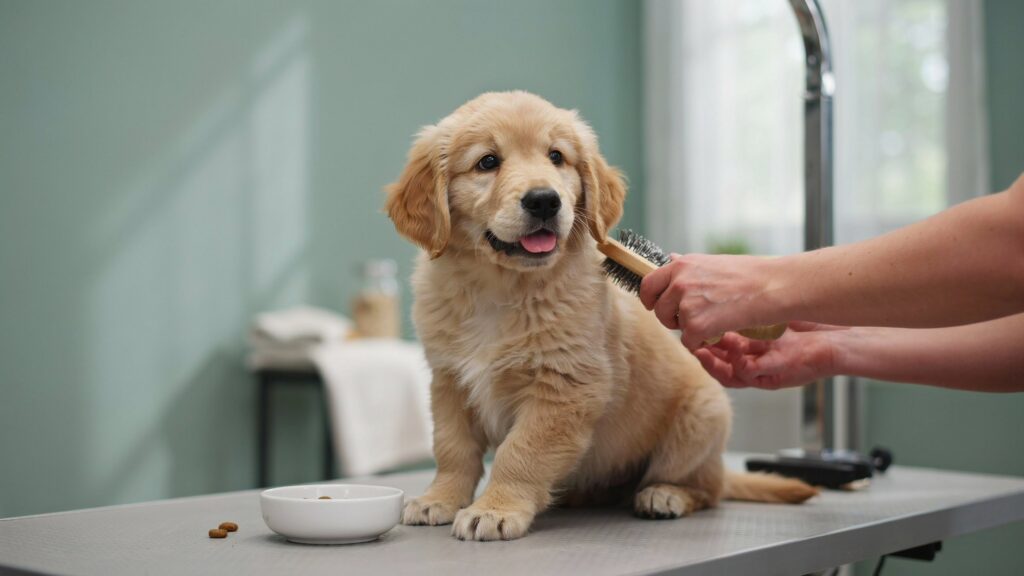
Bringing home a puppy is an experience. Fluffy coats, tiny paws, and playful personalities make every day special. Puppies also need regular grooming to stay clean, comfortable, and healthy. Many new owners wonder when puppies should start getting groomed. The good news is that you can begin grooming at home from an early age. Most puppies can start handling and brushing during their first weeks. Professional grooming usually begins around 8 to 16 weeks, depending on the puppy’s health, vaccination status, breed, and temperament.
Starting early helps puppies become familiar with brushing, bathing, nail trimming, and other grooming tasks. These simple experiences can make future grooming sessions less stressful. In this guide you will learn when to start grooming, which tools to use, and how to build a grooming routine for puppies.
Understanding Why Early Grooming Matters for Puppies
Grooming is about more than keeping puppies looking cute. It helps puppies become comfortable with care and gives owners a chance to notice changes in puppies. A gentle grooming routine also prepares puppies for visits to professional groomers and veterinary clinics.
You do not need to complete every grooming task during one session. Instead introduce each activity slowly. Reward puppies for staying calm.
The Connection Between Early Grooming and Lifelong Behavior
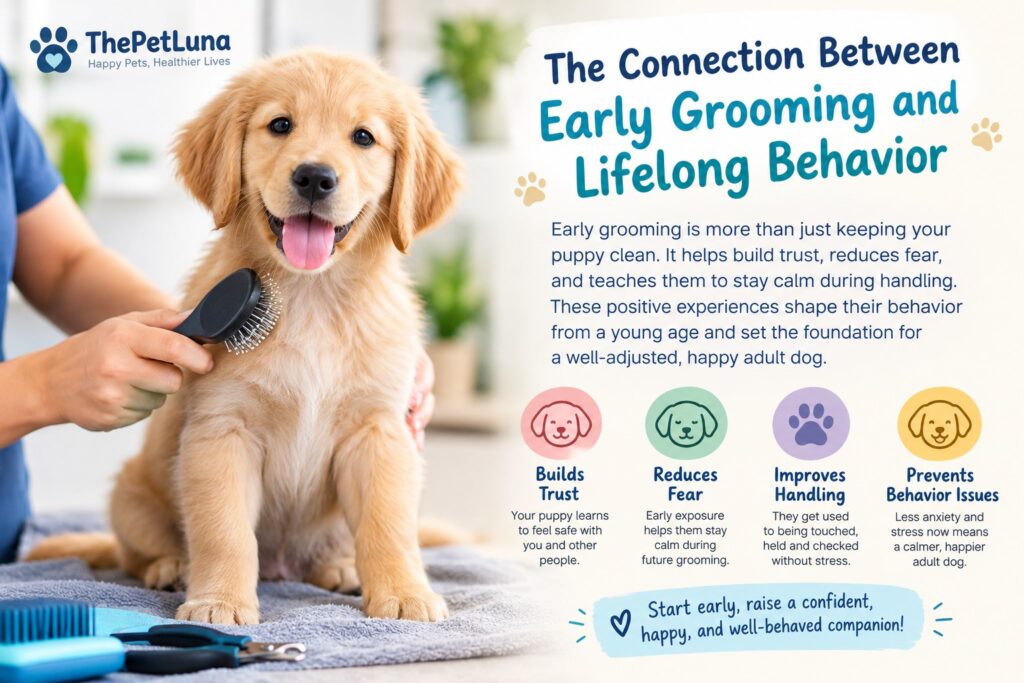
Puppies learn about the world through experiences. Brushing, paw handling and short bathing experiences can teach puppies that grooming is a normal part of life.
When puppies become familiar with grooming puppies may feel more comfortable with brushes, nail clippers and drying towels as adults. However, every puppy learns at a different pace. Some puppies become comfortable quickly while others need time and patience.
Begin with a brush and a few gentle strokes. Offer treats and praise puppies after each successful step. If puppies become uncomfortable, take a break. Try again later.
Avoid forcing puppies to remain. Rough handling can create fear. Make future grooming more difficult. Positive experiences help build confidence and encourage cooperation over time.
How Grooming Affects a Puppy’s Physical Health
Regular grooming helps keep puppies‘ skin, coat, paws, ears and nails in good condition. Brushing removes hair and helps prevent tangles, especially in long‑hair breeds.
Grooming also allows you to check puppies for fleas, ticks, redness, swelling and unusual lumps. You may notice a problem sooner when you regularly examine puppies body.
Long nails can affect movement and may catch on carpets or other surfaces. Checking ears can help you notice odors or discharge. Gentle dental care also helps puppies become comfortable with having their mouths examined.
Remember that grooming does not replace care. Contact veterinarians if you notice itching, painful skin, unusual discharge or other concerning symptoms.
The Role of Grooming in Building Trust Between Puppies and Their Owners
Puppies depend on owners for safety, food, comfort and care. Gentle grooming can become another experience that strengthens this relationship.
Start by allowing puppies to sniff the brush. Touch one paw briefly and offer a treat. Then stop. Repeat the process until puppies accept the contact comfortably.
Keep your voice calm and your movements gentle. . Avoid movements around sensitive areas, such as ears, tail and face.
Trust develops through repeated experiences. If puppies pull away respect that signal. Make the next session easier. The goal is to teach puppies that grooming is not something to fear.
The Right Age to Start Grooming Your Puppy
There is no age when every puppy must begin every grooming task. Basic grooming can start earlier than a haircut or full grooming appointment.
Most puppies can gradually learn brushing and handling during the first weeks at home. Many can begin professional grooming around 8 to 16 weeks provided groomers accept puppies of that age and necessary health precautions are followed.
What Happens in the First 8 Weeks Before Grooming Begins
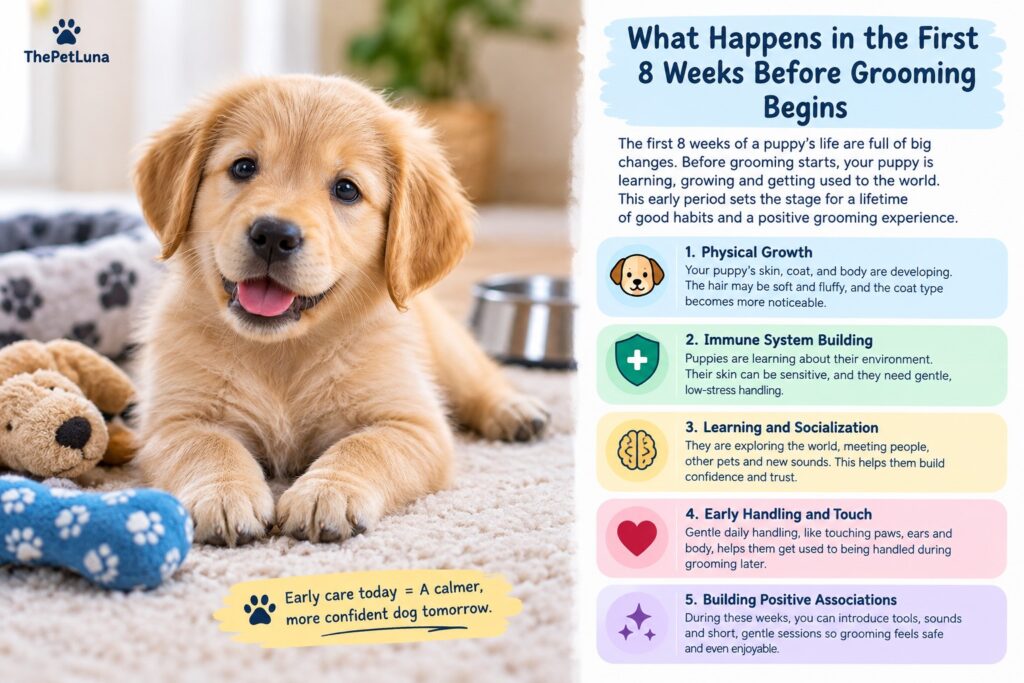
During these eight weeks puppies experience rapid physical and behavioral development. Their mother usually helps keep young puppies clean while responsible breeders monitor general condition.
During this period puppies should receive appropriate handling. Owners and breeders can gradually introduce touches around paws, ears, mouth and body when puppies are ready.
Avoid baths during the first weeks. Young puppies can become chilled easily so baths should only happen when needed and with proper warmth and care.
If puppy becomes dirty a warm damp cloth may be enough for small areas. Dry puppy thoroughly and keep puppy in a warm environment.
Puppy should generally remain with mother and litter until at least eight weeks, where possible and appropriate. Before bringing puppy home ask breeder about handling, health checks and any grooming experiences.
The Ideal Window: Grooming Between 8 and 16 Weeks
The period between 8 and 16 weeks can be a time to introduce puppy to grooming. Puppy is adjusting to home and learning which everyday experiences are safe.
At eight weeks puppy can usually begin short brushing sessions, gentle paw handling and simple coat checks. Bathing may be appropriate when necessary, provided you use products and prevent chilling.
A first professional grooming visit may also be possible during this period. However some salons require vaccinations or a veterinary health assessment before accepting a young puppy.
Puppy may only need an introductory visit rather than a complete haircut. Groomer might introduce bathing area, brushes, dryer sounds, and gentle handling.
Do not rush the process to meet an age deadline. Puppy comfort, coat condition, health and vaccination guidance should determine the step.
Signs That Puppy Is Ready for First Grooming Session
Puppy may be ready for a grooming session when puppy can remain reasonably relaxed during gentle handling. Readiness does not mean puppy must sit still or enjoy every activity immediately.
Look for these signs:
Puppy allows gentle touching around body and paws.
Puppy can tolerate soft brush strokes without becoming distressed.
Puppy accepts treats during handling exercises.
Puppy’s coat needs brushing or lr cdzxflzy fv fxzoisq tangles.
Puppy can recover quickly after hearing a sound or encountering a new tool.
If puppy repeatedly hides, struggles, trembles or tries to bite stop and make next session easier. Fearful behavior is a sign to slow down not to increase pressure.
For puppies with skin issues, heavy matting or other medical concerns seek advice from a veterinarian before attempting difficult grooming tasks.
How to Introduce Grooming to Puppy at Home
Home grooming helps puppy become familiar with care before visiting a professional. You do not need equipment or a complicated schedule to begin.
Choose an area with good lighting and a non-slip surface. Keep sessions short, positive and appropriate for puppy age.
Basic Tools Every New Puppy Owner Should Have
Best grooming tools depend on puppy coat type, size and sensitivity. Start with basic items rather than buying every grooming product available.
Useful supplies include:
Soft puppy brush: Introduce brushing to many young puppies.
Comb: Helpful for checking tangles in coats.
Puppy-safe shampoo: Use when bathing is necessary and follow product instructions.
Soft towels: Help absorb water after bathing.
Nail clippers or suitable nail grinder: Choose equipment designed for puppy size.
Dog toothbrush and toothpaste: Help introduce care gradually.
Treats: Reward behavior during grooming.
Cotton Soft cloth: Useful for gently cleaning around eyes when needed.
You may need a brush, undercoat tool or breed‑specific comb as puppy grows. Ask groomer which tools are suitable for puppy coat.
Never use toothpaste, harsh cleaning products or tools that pull painfully on skin. Keep scissors and sharp equipment away from a moving puppy.
Step‑by‑Step Guide to Puppy’s First Home Grooming Session
Puppy grooming experience should be simple. The goal is to introduce the activity not to finish every grooming task.
Step 1: Choose a time
Pick a moment when puppy is relaxed and alert. Avoid grooming after intense play or when puppy is hungry or overtired.
Step 2: Let puppy explore the tools
Place brush nearby. Allow puppy to sniff it. Reward curiosity with praise or a small treat.
Step 3: Introduce brushing
Use a brush and make a few gentle strokes in the direction of hair growth. Stop if the brush catches on tangles or causes discomfort.
Step 4: Practice handling
Briefly touch each paw ear and the area around the muzzle. Reward puppy for remaining comfortable. Do not force puppy’s mouth open or pull puppys ears.
Step 5: Introduce bathing when needed
Use water and a suitable puppy shampoo. Keep water away from puppy’s eyes and inside puppys ears. Never leave puppy unattended around water.
Step 6: Dry your puppy
Use a towel and gently remove excess water. If using a dryer follow the manufacturer’s safety instructions. Use a suitable low setting from a safe distance. Stop if puppy becomes frightened or uncomfortable.
Step 7: Finish with a reward
End the session with praise, a treat, or a short play break. Several brief sessions are usually better than one session.
Common Mistakes Owners Make During Grooming and How to Avoid Them
New puppy owners sometimes make grooming more stressful by trying to do too much too soon. A gentle approach helps prevent discomfort and fear.
Avoid these mistakes:
Long grooming sessions: Young puppies have short attention spans. Begin with a minute or two and gradually increase the time.
Brushing tangled hair forcefully: Pulling can hurt a puppy’s skin. Use a detangling method or ask a professional for help.
Using human shampoo: Human products may not be suitable for a puppy’s skin. Choose a dog product.
Cutting nails too short: Cutting into the quick can cause pain and bleeding for the puppy. Learn the technique before trimming.
Ignoring signs of stress: Stop if puppy repeatedly struggles, pants excessively or tries to escape.
Using tools too quickly: Introduce clippers and dryers starting at a distance when they are switched off.
Punishing resistance: Fear and discomfort require patience, not punishment.
If your puppy has tangles, skin problems or strong grooming fears seek professional guidance rather than attempting a difficult session yourself.
When to Take Your Puppy to a Professional Groomer
Grooming can be especially helpful for puppies with long, curly or easily tangled coats. A skilled groomer can also teach you how to maintain your puppy’s coat between appointments.
The right time for a visit depends on puppys needs. Many puppies can begin appointments between 8 and 16 weeks but health precautions and salon policies vary.
How to Choose the Right Professional Groomer for a Young Puppy
Look for a groomer with experience handling puppies and using reward-based methods. Ask whether they offer appointments for young dogs.
Before booking, consider these questions:
. At what age do you accept puppies?
. Which vaccinations or veterinary records do you require?
. Can the first appointment be short? Focused on familiarization?
. How do you handle puppies that become frightened?
. Is grooming Equipment cleaned between appointments?
. Will you contact me if the puppy becomes too stressed to continue?
A good groomer should explain the process and respect puppy’s limits. Avoid anyone who dismisses concerns or promises to force every puppy through a grooming session.
Ask your veterinarian about vaccination timing and local infectious disease risks before visiting a salon. If your puppy is not fully vaccinated consider whether a home appointment or another veterinary-approved option is safer.
What to Expect During Your Puppy’s First Professional Grooming Appointment
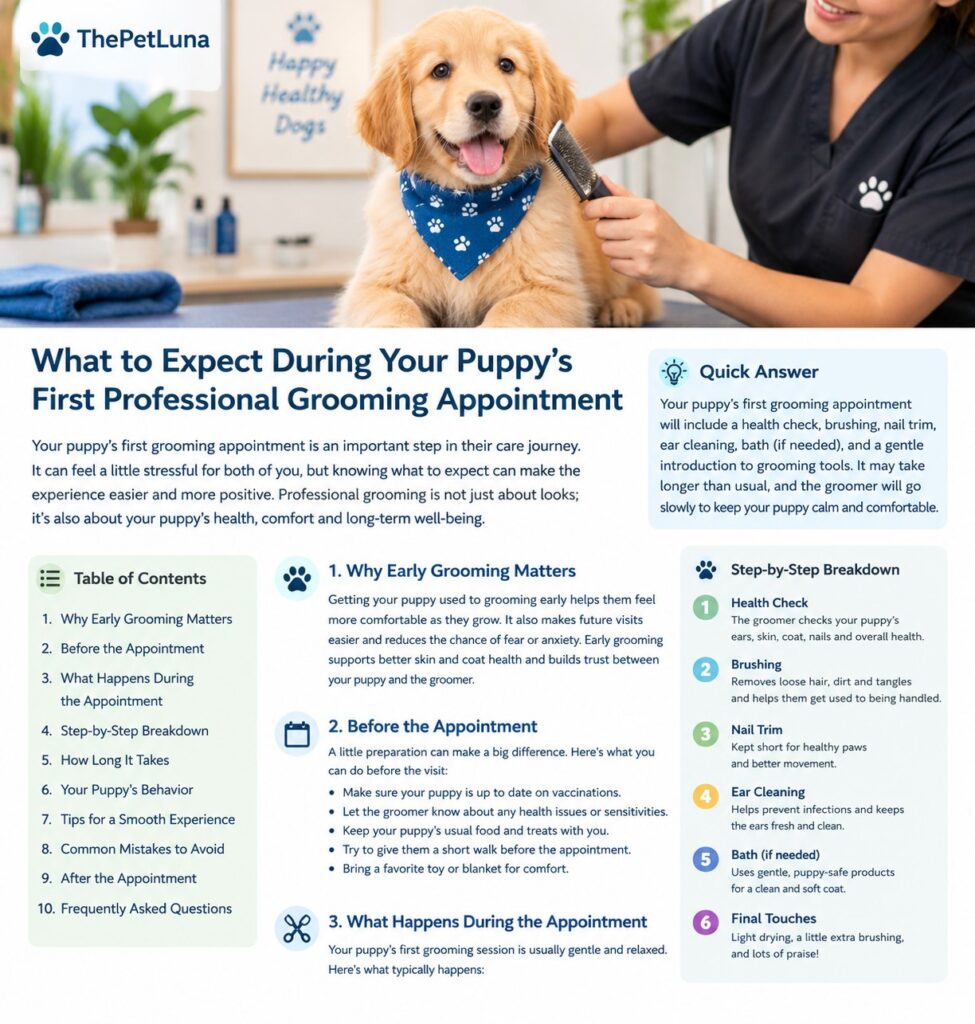
A puppy’s appointment may be shorter and simpler than a regular adult grooming session. The groomer may focus on building familiarity with the environment and equipment.
Depending on the puppy’s age and needs, the visit might include brushing, paw handling, a basic bath, careful drying, or a small amount of trimming.
The groomer should monitor the puppy’s behavior throughout the appointment. If the puppy becomes overwhelmed taking a break or stopping early may be the decision.
You can help by bringing vaccination information, discussing the puppy’s temperament and explaining any areas. Avoid feeding a meal immediately before the appointment but do not withhold food from a young puppy without veterinary guidance.
After the visit reward the puppy. Allow puppy to rest. A calm first experience can help make future appointments easier.
How Often Puppies Should Visit a Professional Groomer Based on Their Breed
Ex gvggp deu o xrk qxzzwlcj eafutair. The correct frequency depends on coat length, shedding, matting risk, haircut requirements and each puppy’s individual needs.
Grooming Needs Based on Puppy Coat Types and Breeds
Different coat types require care. Understanding each puppy’s coat helps you choose the brush bathing routine and professional grooming schedule.
Short-Coat Breeds: Grooming Requirements and Frequency
Short-coated breeds such as Beagles, Boxers and Labrador Retrievers generally need less brushing than long-haired breeds. However short hair does not mean grooming is unnecessary.
Brush each puppy about once or twice a week adjusting the frequency according to shedding and coat condition. A soft-bristle brush or suitable grooming mitt can help remove hair.
Bathe each puppy when puppies become dirty or develop an odor. Frequent unnecessary bathing may Irritate the skin.
Check the paws, ears, nails and skin regularly. Coated dogs can still develop skin irritation, parasites or nail problems.
Long-Coat and Double-Coat Breeds: Special Considerations and Care
Long-coated breeds, including Maltese and Shih Tzus often need brushing to prevent knots and mats. Some may benefit from brushing particularly as their adult coat develops.
Golden Retrievers and German Shepherds have coats. Each puppy’s coat needs brushing to remove loose hair and prevent undercoat buildup.
Use a brush or comb and work gently through each puppy’s coat. Pay attention to areas behind the ears under the legs around the collar and near the tail, where tangles can form.
Never shave a coated breed simply to reduce shedding without first discussing the risks with a veterinarian or experienced groomer. The coat provides insulation and protection and shaving may not solve shedding problems.
Curly and Wire-Coat Breeds: Unique Challenges and Best Practices
Curly-coated breeds, such as Poodles can develop tangles that become painful mats if neglected. Regular brushing and combing help prevent these problems.
Wire-coated breeds, including some terriers, may need grooming methods to maintain coat texture. Depending on the breed hand-stripping or professional trimming may be appropriate.
Ask a groomer to demonstrate the brushing technique for each puppy’s coat. Using the tool or brushing too aggressively can irritate the skin.
Begin coat maintenance before severe matting develops. Removing mats can be painful and may require specialist care.
Key Grooming Tasks Every Puppy Owner Should Know
A complete grooming routine includes more than brushing and bathing. Coat care, nail maintenance, dental hygiene ear checks and paw inspections all contribute to each puppy’s comfort.
Introduce each task gradually. You can spread grooming activities across days rather than completing everything in one session.
Brushing, Bathing and Drying Your Puppy Safely
Brush each puppy according to each puppy’s coat type. Use strokes and check the skin for redness, bumps or irritation. If a comb catches on a knot do not pull hard.
When bathing is necessary use water and a dog-safe shampoo suitable for puppies. Wet the coat carefully puppy grooming. Avoid getting shampoo in the eyes or ears.
Rinse thoroughly because leftover shampoo can irritate the skin. Keep bath time calm. Use a non-slip surface to help each puppy feel secure.
After bathing gently towel-dry the coat. If a dryer is necessary keep the temperature and airflow appropriate maintain a distance and watch for signs of discomfort.
Avoid bathing each puppy in cold weather or leaving puppies damp in a chilly room. Young tiny or unwell puppies need extra care to prevent chilling.
Nail Trimming Ear Cleaning and Dental Care for Puppies
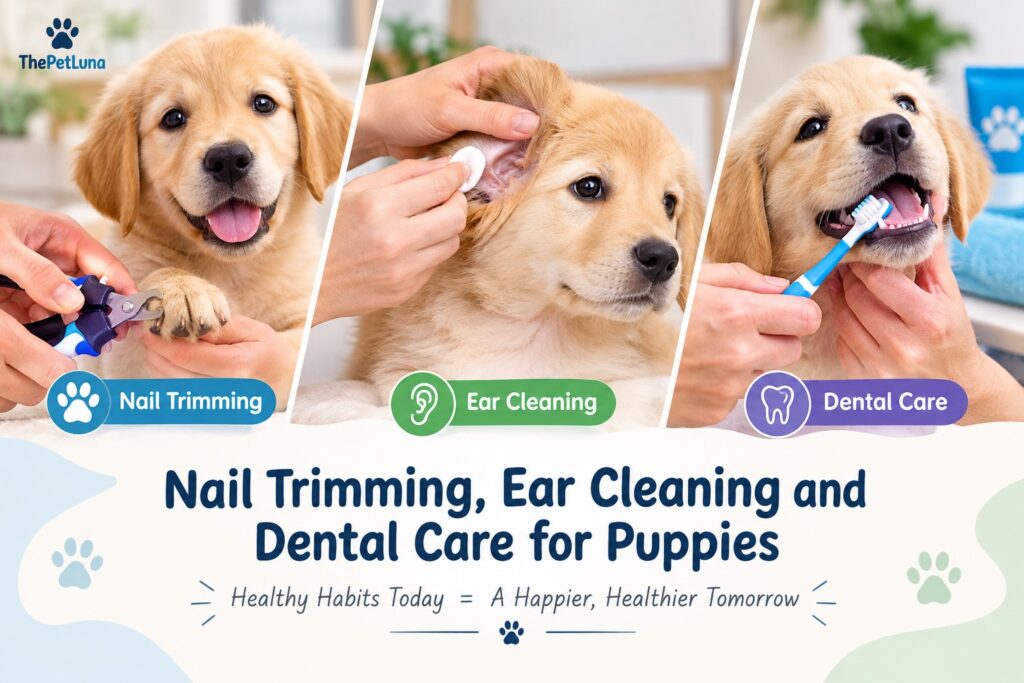
Puppy nails can grow quickly so check them often. If a puppy’s nail touches the floor when the puppy stands or if it makes clicking sounds on floors the nail may need trimming.
Use nail clippers that are made for puppies or a suitable grinder. Cut a little bit at a time and keep away from the quick, the part that holds blood vessels and nerves. If the puppy owner is unsure ask a veterinarian or groomer to show how.
Check the puppy’s ears for redness, strange smells or discharge. Do not put cotton swabs or other objects into the ear canal. Use an ear cleaner when it is right and follow the instructions from the veterinarian.
Dental care should start early. Introduce a dog toothbrush and dog‑safe toothpaste. Never use toothpaste because some ingredients, such as xylitol can be dangerous to puppies.
If the puppy has bleeding gums or damaged nails seek veterinary help instead of continuing the grooming.
Eye Paw Maintenance: Overlooked but Important Steps
Eye and paw checks can help the puppy owner spot small problems before they become serious.
Use a damp cloth to gently wipe away small debris around the puppy’s eyes. Use a part of the cloth for each eye. Do not put eye drops or other medication on the puppy without the help of a veterinarian.
If the puppy keeps tearing has discharge, redness, swelling or squints this may show a problem that needs a veterinarian.
Check the puppy’s paws for cuts, cracked pads, dirt and objects stuck between the toes. Trim hair around the paws only when it is needed and only if the puppy owner can do it safely.
After walks look at the puppy’s paws for mud, stones or other debris. If the puppy keeps licking one paw or limps contact a veterinarian.
Handling Grooming Challenges and Puppy Anxiety
Some puppies like brushing from the start while others feel nervous around tools or handling. Fear does not mean the puppy is badly behaved.
Understanding why the puppy resists helps the puppy owner choose a better approach.
Why Some Puppies Resist Grooming and What Causes It
A puppy may resist grooming because the experience feels new, uncomfortable, or scary. A brush may tug on the hair, nail clippers may make a strange sound, or bathwater may feel uncomfortable.
Previous bad experiences can also change how a puppy reacts. Some puppies are naturally more sensitive to sounds and touch than others.
Watch the puppy’s body language. Turning away, licking the lips, yawning, pulling back, trembling, or trying to escape can show discomfort or stress.
Sudden resistance may also come from pain. If the puppy reacts strongly when a specific area is touched, check with a veterinarian before continuing.
Practical Methods to Help an Anxious or Fearful Puppy Relax During Grooming
The best approach is practice with good rewards. Start with the part of grooming and move on only when the puppy stays comfortable.
Try these methods:
Keep sessions short: Start with a few seconds of gentle handling.
Use rewards: Offer treats after calm behavior.
Introduce tools slowly: Let the puppy see and sniff the brush before using it.
Practice paw handling: Briefly touch a paw reward the puppy and let it go.
Reduce background noise: Choose a space for early sessions.
Allow breaks: Stop before the puppy becomes overwhelmed.
Build gradually: Increase the time as the puppy becomes more comfortable.
Never punish the puppy for struggling or crying or …
If the puppy becomes very distressed go back to a step. A qualified, reward‑based trainer or experienced groomer can help make a training plan.
When to Seek Help from a Veterinarian or Animal Behaviorist
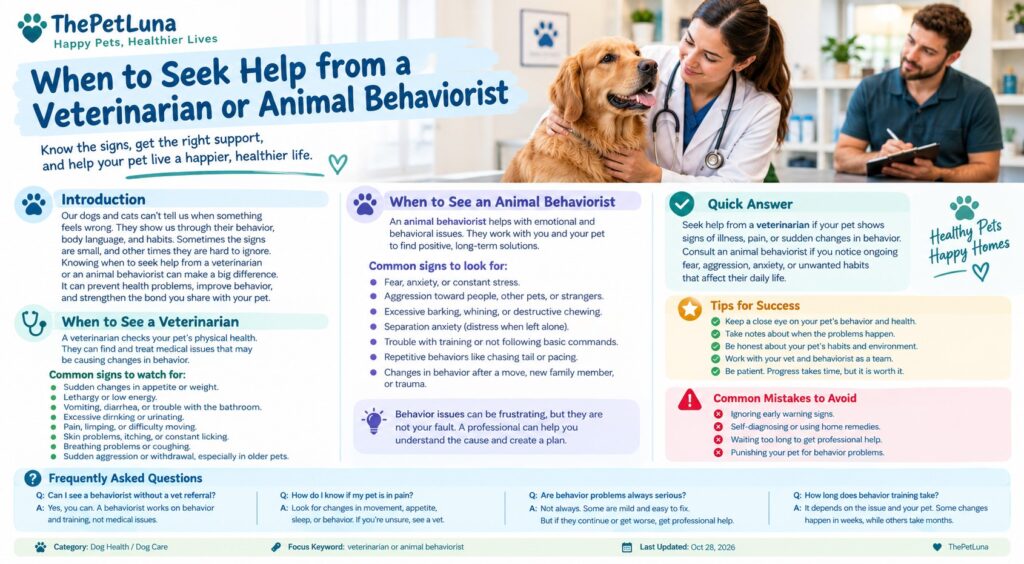
Some grooming problems need help. Contact a veterinarian if the puppy shows fear, pain when touched, persistent skin irritation, unusual ear discharge or other concerning signs.
A veterinarian can check for causes before suggesting behavior training.
If the puppy always panics during grooming after gentle practice ask for a qualified veterinary behaviorist or a reward‑based behavior professional. They can help find triggers and make a plan.
Never give the puppy sedatives or calming medication without advice. The safest solution depends on the puppy’s health, age and individual needs.
Summary
The puppy can start learning grooming habits during the early weeks. Gentle brushing, paw handling and short good sessions help the puppy become comfortable, with care.
Many puppies can start professional grooming between 8 and 16 weeks but vaccination requirements, health, breed and salon policies must guide the decision.
Choose tools that suit the puppy’s coat and introduce each task slowly. Regular brushing, safe bathing, nail checks, dental care and paw inspections can help maintain comfort and cleanliness.
Importantly, follow puppys signals. Reward behavior, take breaks when needed and seek professional help if grooming causes pain or severe anxiety. With patience and a consistent routine grooming can become a part of a puppy’s life.
Frequently Asked Questions (FAQs)
At What Age Can I Give My Puppy Their First Bath?
Many puppies can have a bath from around eight weeks if puppies need one and can be kept warm and safely supervised. Younger puppies may need only spot cleaning unless a veterinarian recommends otherwise. Use water, a suitable puppy shampoo, and dry thoroughly.
Is It Safe to Take My Puppy to a Groomer Before They Are Fully Vaccinated?
It depends on your puppy’s health, local disease risks, vaccination schedule and the grooming salon’s rules. Young puppies may be vulnerable to diseases in shared spaces. Ask your veterinarian and groomer about the timing before booking.
How Do I Keep My Puppy Still During a Grooming Session?
Use sessions, gentle handling, and small treats to reward calm behavior. Begin with one task and stop before puppy becomes overwhelmed. Never force your puppy to remain still or punish your puppy for moving.
How Often Should I Brush My Puppy’s Coat at Home?
Short-coated puppies may need brushing twice a week, while long or curly coats often need daily attention. Your puppy’s coat, shedding, and tendency to develop tangles will determine the routine. Ask your groomer for breed advice.
What Grooming Tools Are Safe for Young Puppies?
A soft brush, suitable comb, puppy-safe shampoo, soft towels, and a dog toothbrush are starting points. Nail clippers or grinders should match the puppy’s size. Introduce tools slowly. Ask a professional to demonstrate any technique you are unsure about.
Can Grooming Help Me Spot Health Problems in My Puppy Early?
Yes. Grooming provides opportunities to notice skin irritation, fleas, ticks, unusual lumps, ear discharge, nail damage and paw injuries. However, grooming cannot diagnose conditions. Contact your veterinarian when you find anything persistent.
What Should I Do If My Puppy Cries or Whines During Grooming?
Stop and check whether puppy is frightened, uncomfortable or in pain. Give puppy a break. Return to an easier step later. If crying happens repeatedly or when a specific area is touched, seek advice before continuing.
Are Grooming Products I Should Avoid Using on Puppies?
Avoid products, unsuitable human shampoos, human toothpaste, and products not labeled for the intended use. Some flea and tick products are unsafe for puppies below certain ages or weights. Always follow the label. Ask your veterinarian before using medicated products or treatments.